Tag: greek islands

  • CHIOS: experience real Greek island life

    CHIOS: experience real Greek island life

    Chios is one of the biggest Greek islands and also one of the least touristic of all Greece. This is because most of the biggest shipping dynasties originate from both Chios and the small neighbor of Inoussses and someone in almost every family still spends time in the merchant navy.
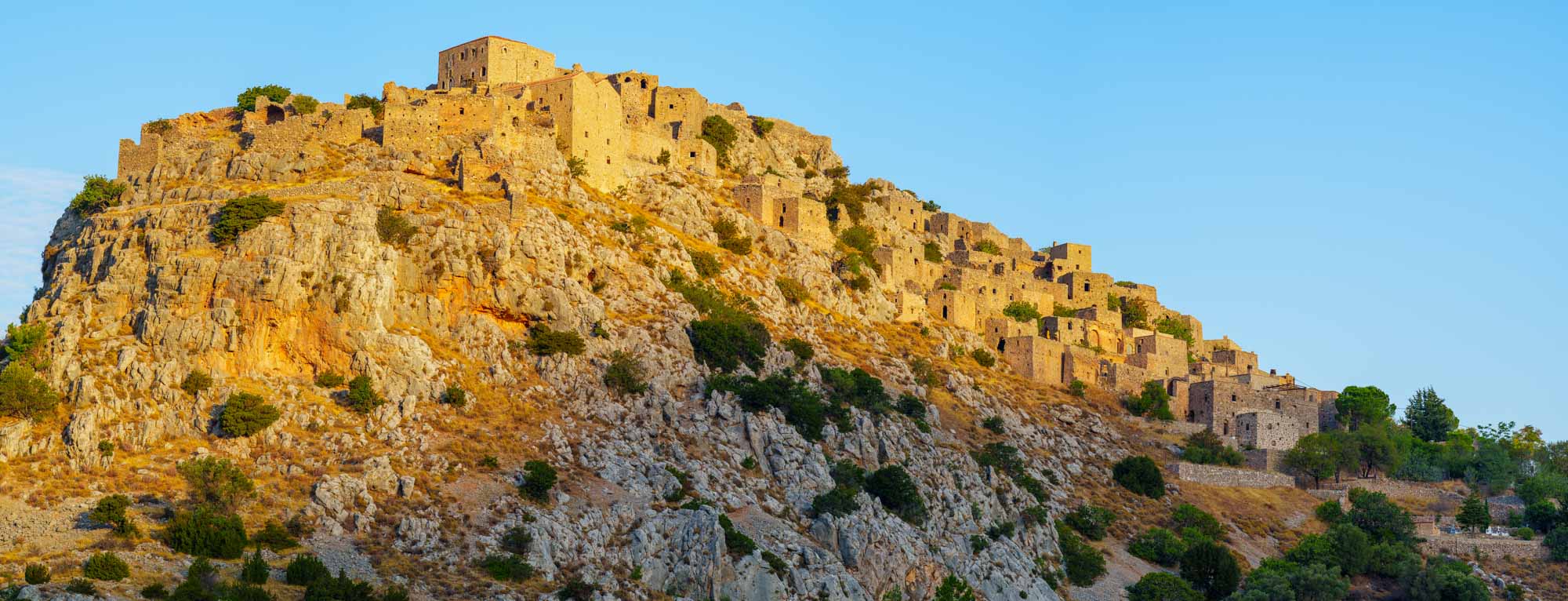
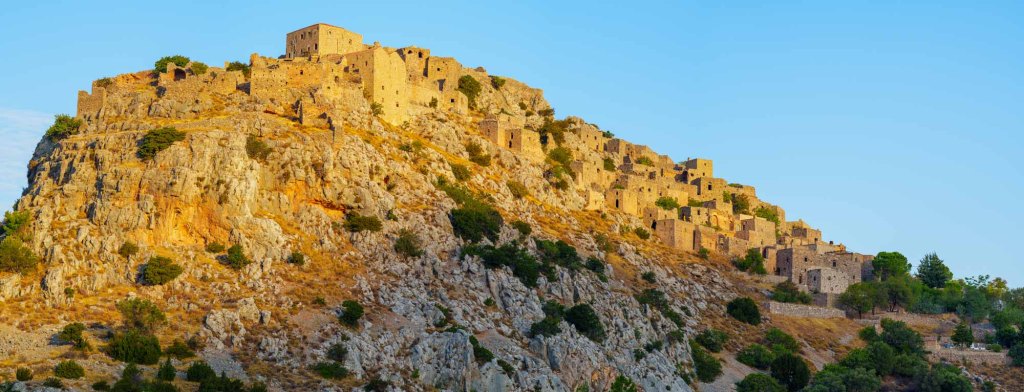
    The “ghost village” of Anavatos at sunrise
    The beach at Aghia Dynami

    Even if the island has its airport which is well connected with both Athens and Thessaloniki, tourism is low-key; I was told by locals that only 0,5% of GDP is devoted to this sector of the economy. Nevertheless there’s a lot to like in Chios, it’s capital Chios Town is one of the most lively and intriguing urban centers of the Aegean and home of most of the residents, in the south the area of rolling hills called “Mastihohoria” is the only place in the world where mastic trees are productive.

    A bar in the Kastro of Chios Town
    The mastic trees “Pistacia lentiscus”

    In this area lies a bunch of amazing medieval mastic villages like Pyrgi, Olymbi, and Mesta. The barren north is on a grander scale from a landscape point-of-view with hulking mountains and still some beautiful villages like Volissos. Central Chios is also home to one of the richer Byzantine monuments, the 11th-century UNESCO World Heritage site of Nea Moni, one of the most revered monasteries of Greece.

    Greek wedding in Avgonyma
    Nea Moni
    Aghion Pateron
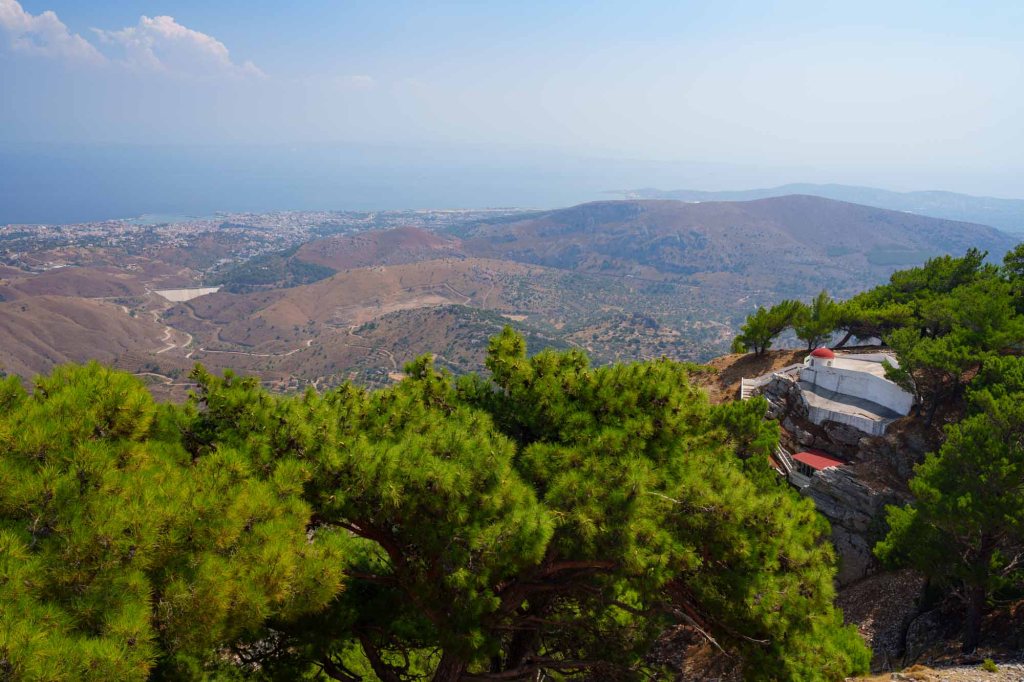
    The tiny chapel at Aghios Markos with Chios Town and the Turkish coast behind

    Close to Nea Moni lie a couple of beautiful monasteries hidden in the mountains of central Chios – Aghion Pateron and Aghios Markos, the latter with amazing views of both Chios Town and the coast of Turkey. Ten kilometers after Nea Moni at the end of the road lies another great site the “ghost village” of Anavatos, standing on a 400m knoll and surrounded on three sides by sheer vertical walls it resembles an “Aztec mesa”. As usual, like most of Greece, the island is riddled with very beautiful and uncrowded beaches, especially in the south like Kato Fana, Agia Dynami, and Avlonia; whereas in the north are exposed and battered by strong winds and waves.
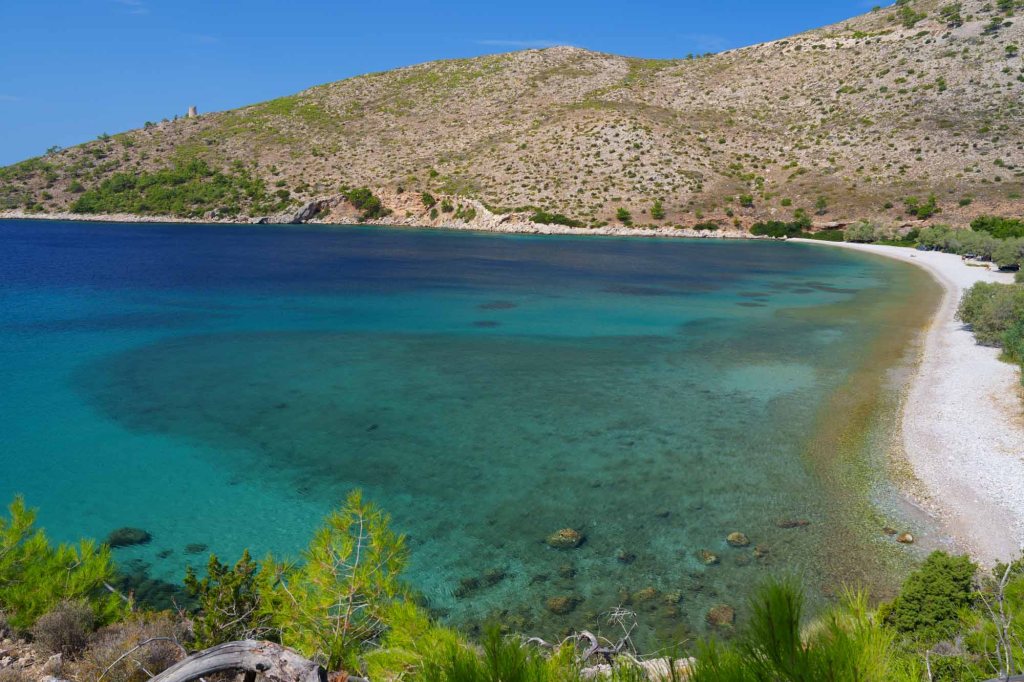
    The laid-back beach at Elinda
    The beach at Avlonia
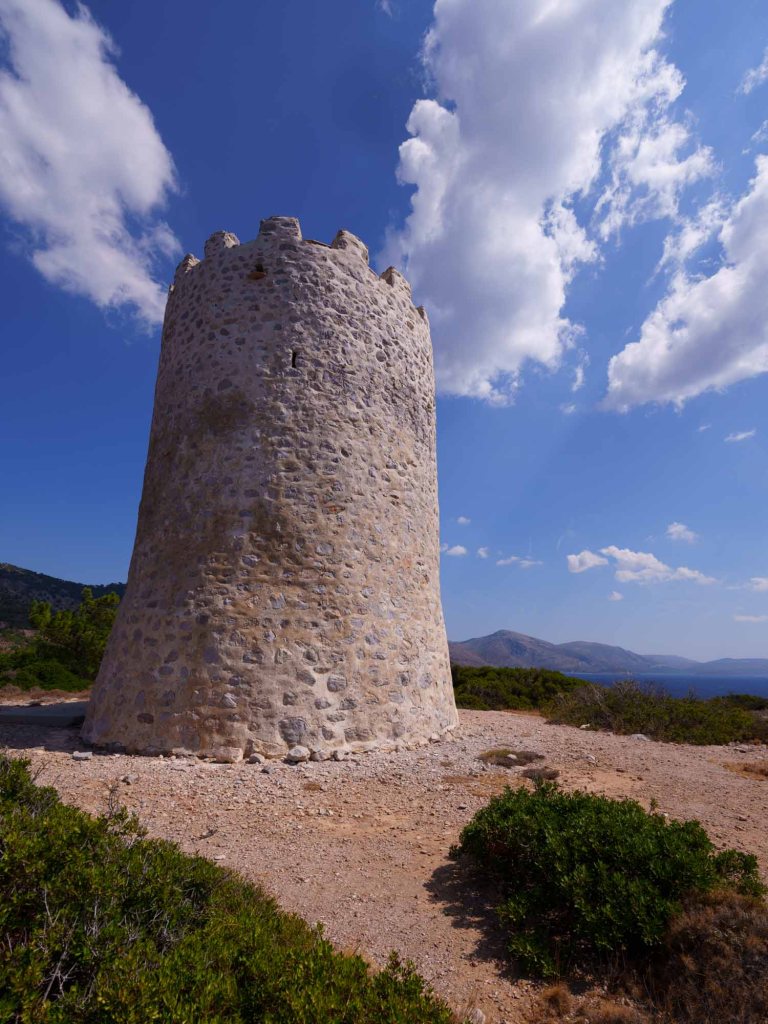
    A “genoese” tower at Tigani
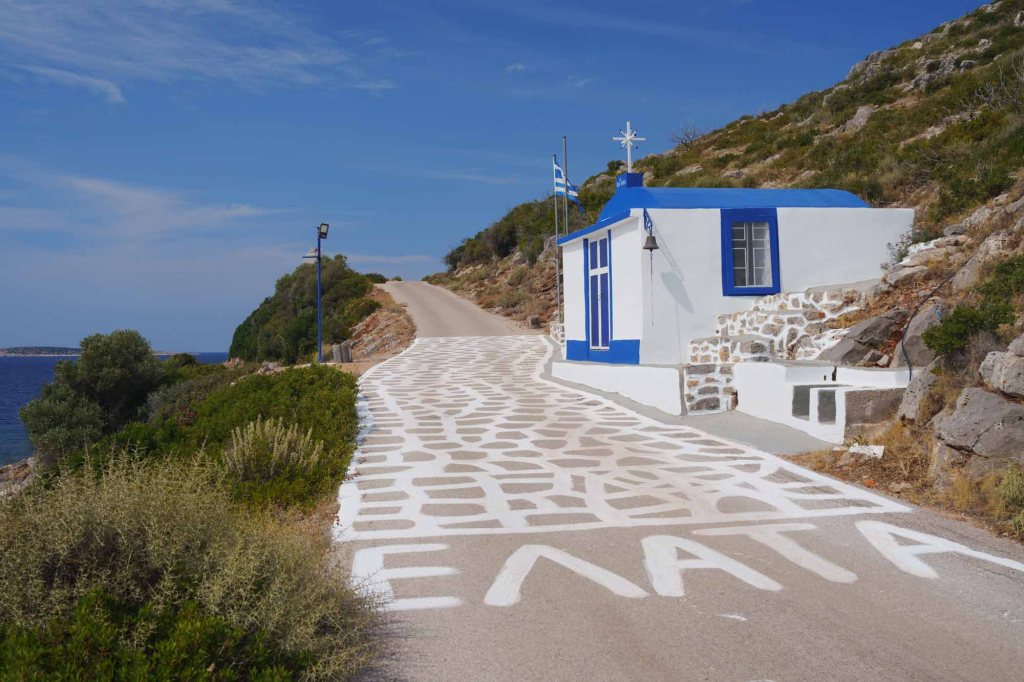
    The start of the road from Agia Irini to Elata

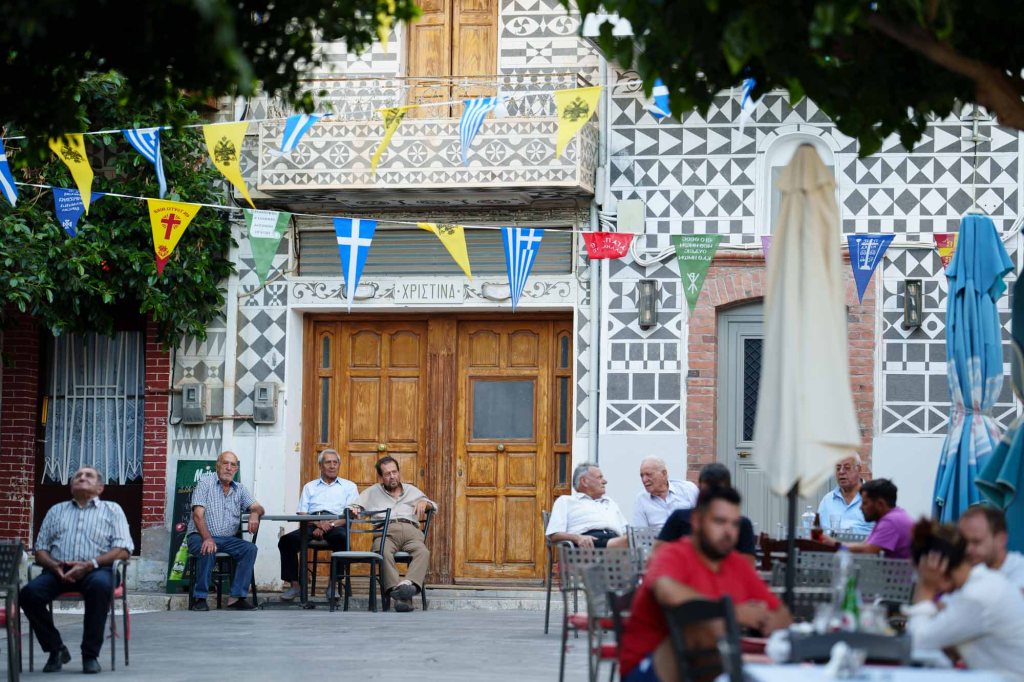
    The island was settled by Genoese in the 14th century and for almost two hundred years they ruled and designed the “mastic village” albeit most of the people think that they were made by the following rulers: the Ottomans. These villages, which retain their architectural uniqueness, have a Middle Eastern feel.

    Beautiful Vessa
    Narrow alleys in Armolia
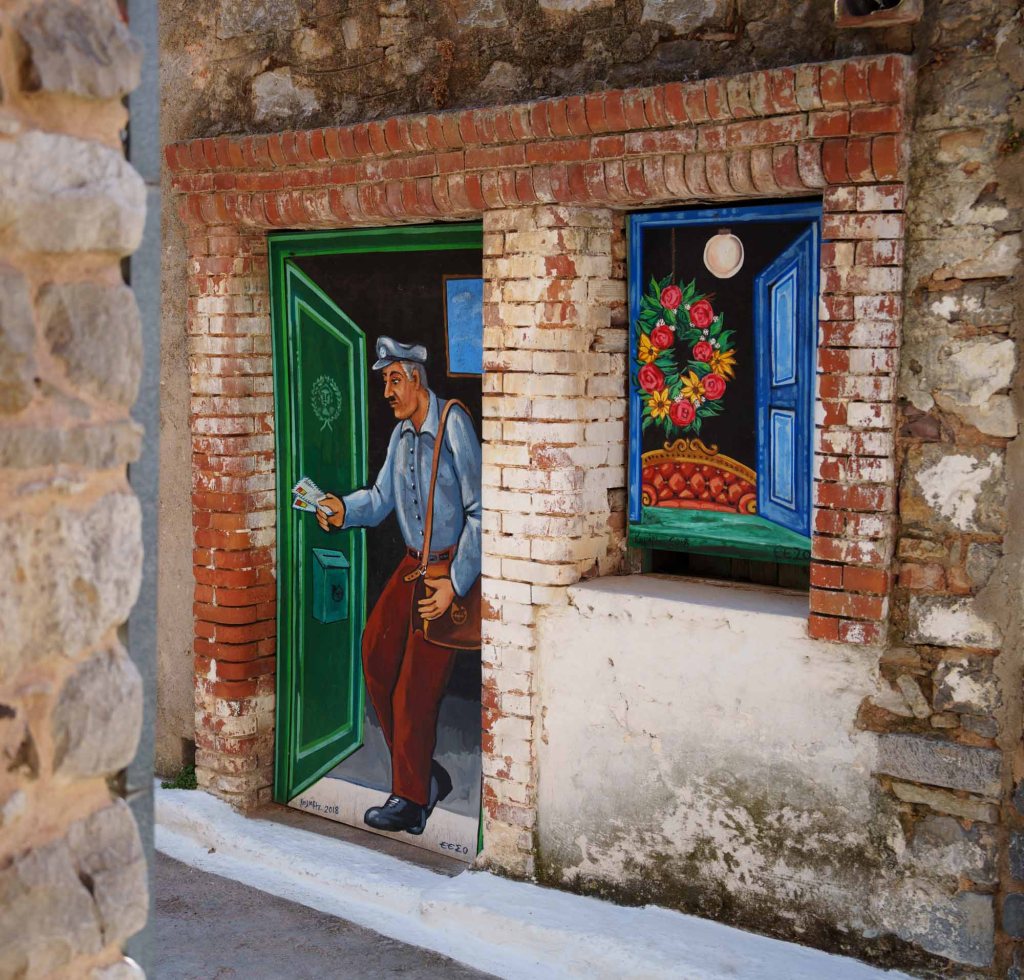
    Street art in Mesta
    The geometric patterns cut into whitewash in Pyrgi
    The church of Aghios Isidoros with the island of Inousses in the background

    The layout plan involves a warren of tall houses with the outer row doubling as perimeter fortifications, and breached by a few gateways like Mesta, arguably the most beautiful of all. If you want to avoid the crowd head to the less-known medieval villages of Elata, Vessa, Armolia and Avgonyma, they are all very beautiful.

    Sunset at Trachili with the island of Psara at far left
  • Patmos: a glimpse of the Dodecanese


    _MAX4545
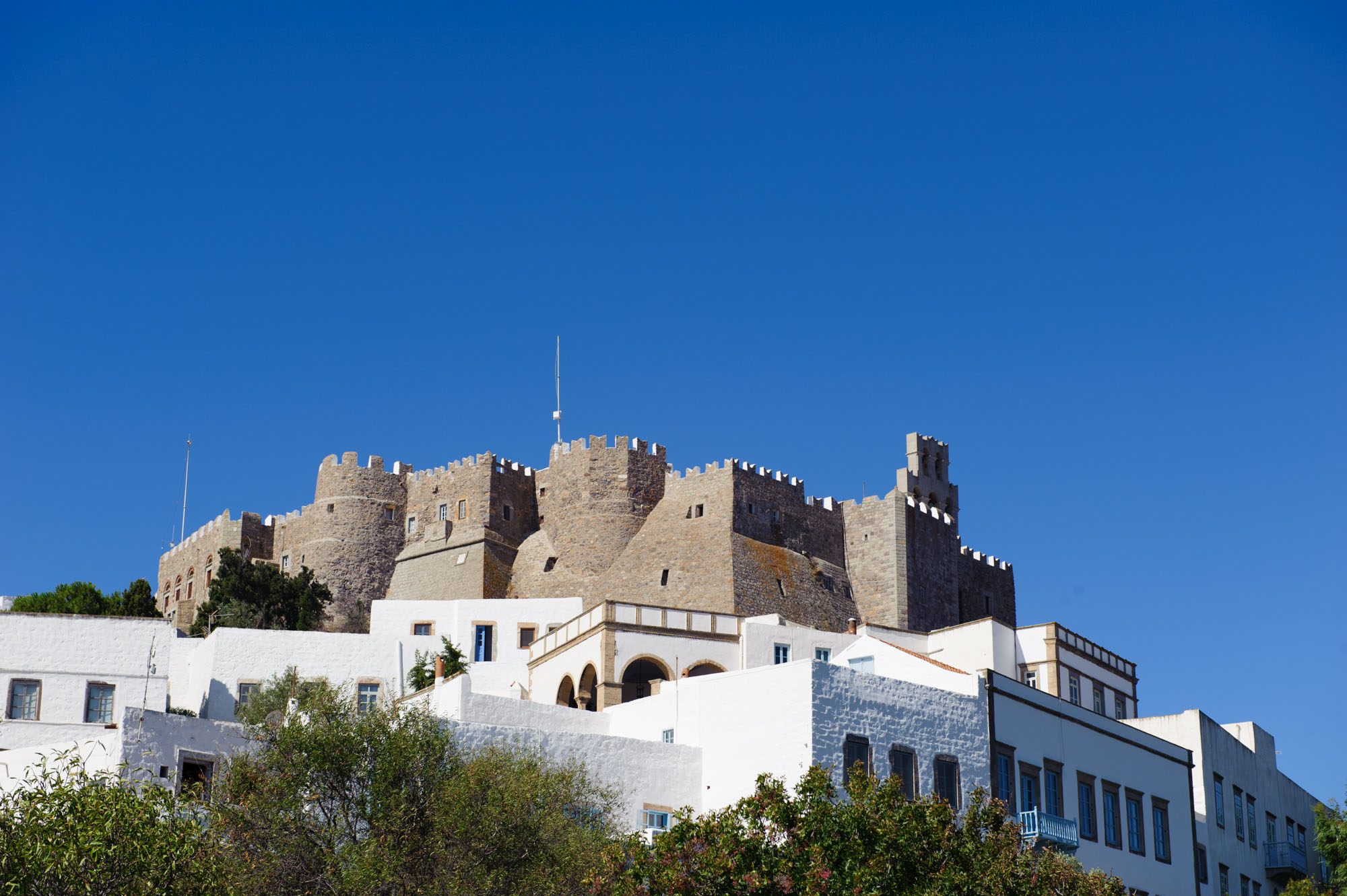
    The mighty ramparts of St. John’s monastery

    Greece is an outstanding array of more than three thousands islands, there are six major archipelagos: the Ionian Islands, the Argo-Saronic Islands, the Sporades, the North-East Aegean Islands, the Cyclades and the Dodecanese. Having travelled throughout most of them I consider the latter two as the most appealing thanks to the harmony between landscape and architecture and to the translucence of light.

    _MAX4527
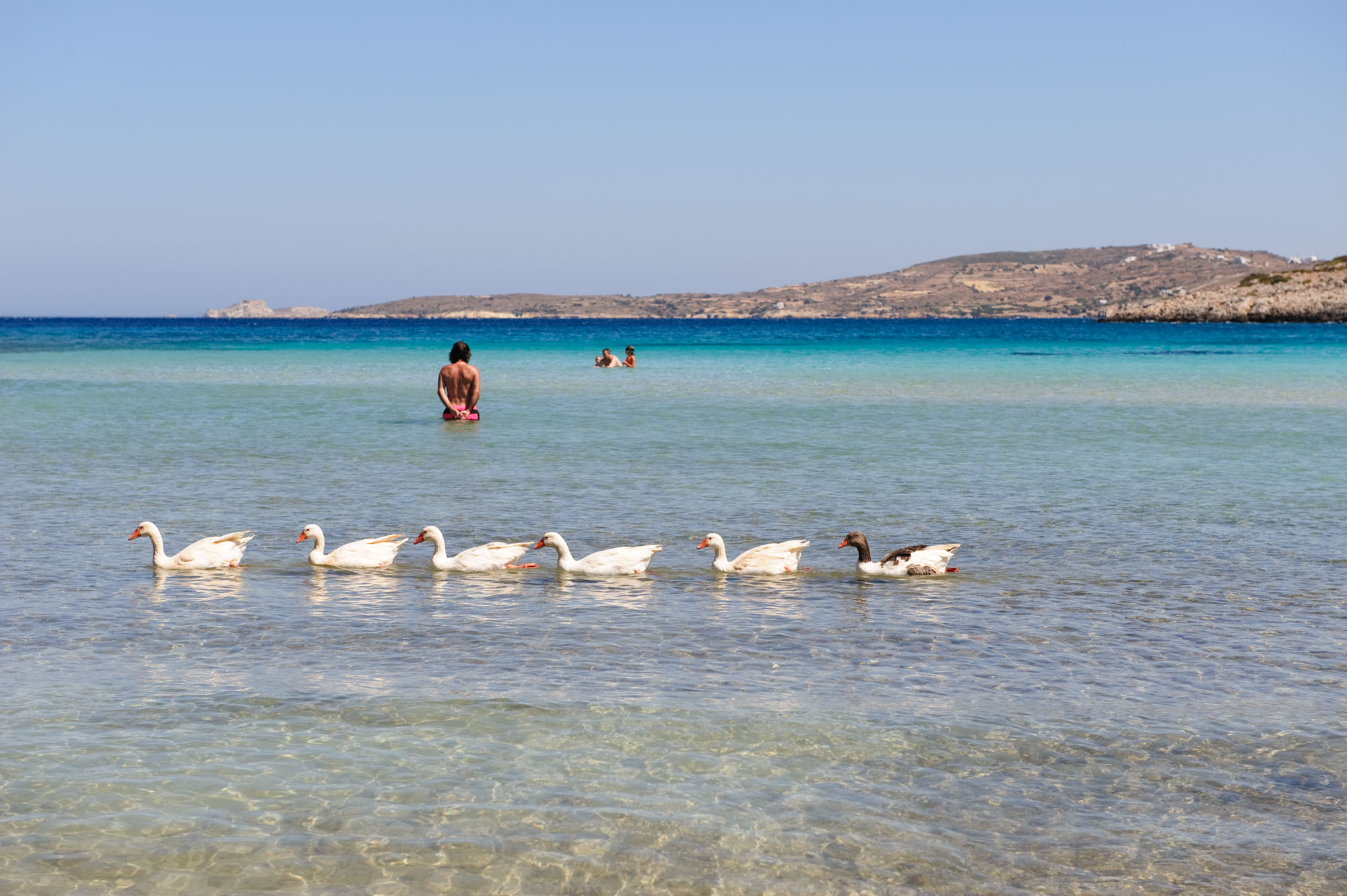
    Six in a row: Platys Yialos; Lipsi

    _MAX4455
    Platyis Yialos, Lipsi


    Patmos is the northernmost island in the Dodecanese and I consider it the most beautiful island of the whole Greece; that’s not to say that other visually striking islands like Folegandros, Milos, Symi, Kythira, Sifnos etc, are less interesting. Patmos probably has all or most of the features that one expects to find in a Greek island: a terrific hora, with the crowning glory of St.John the Theologian’s monastery on top and some really outstanding 17th century houses surrounding it. Continuos attacks from pirates necessitated powerful fortified ramparts, so the monastery looks from the outside like a mighty castle.

    _MAX4103_MAX4409_MAX4614

    _MAX4705
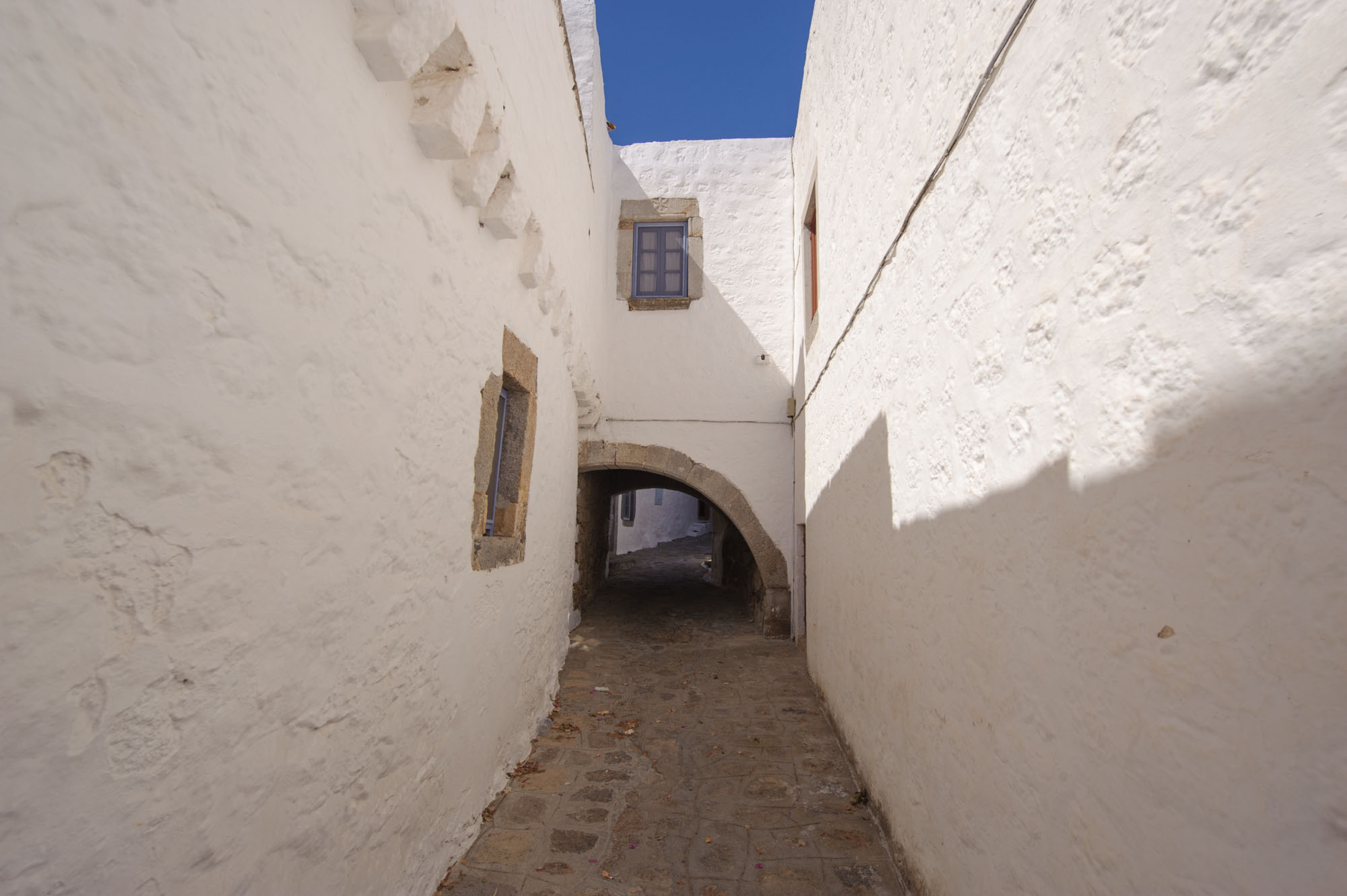
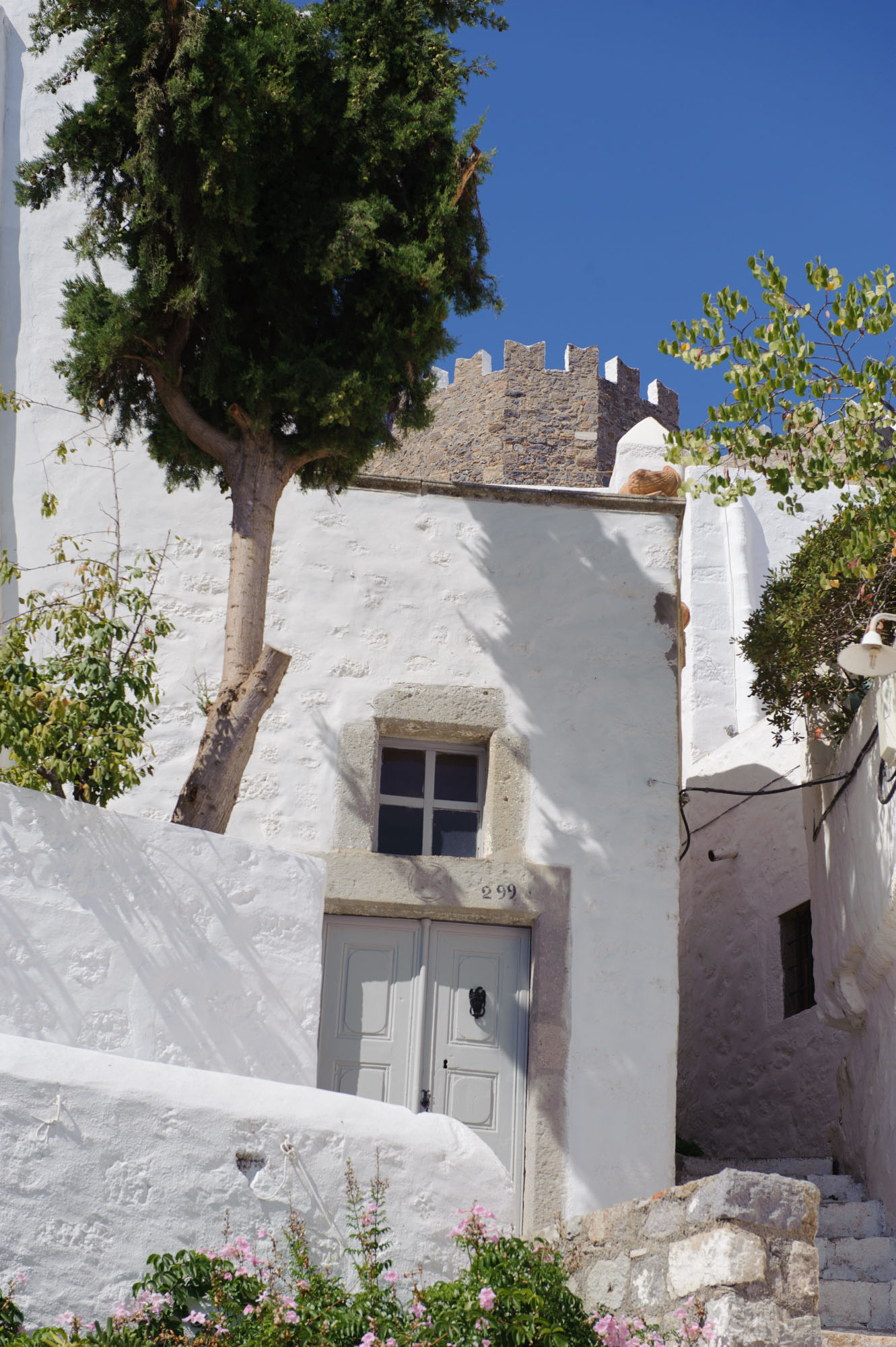
    The fantastic architecture of the beautiful alleys in Hora

    You could visit the monastery not only for the superb 360 degrees view of the Aegean (on clear days you can view Ikaria and the Fourni, Samos and the Turkish coast as well as Leros, Amorgos and Astypalea) but also for some superb paintings, notably masterpieces by one of the Renaissance masters, El Greco. On the road to hora you’ll find the Holy Monastery of the  Apocalypse, built around the grotto where St.John heard the voice of God, it is a place of pilgrimage for both Orthodox and Catholic Christians.

    _MAX4783
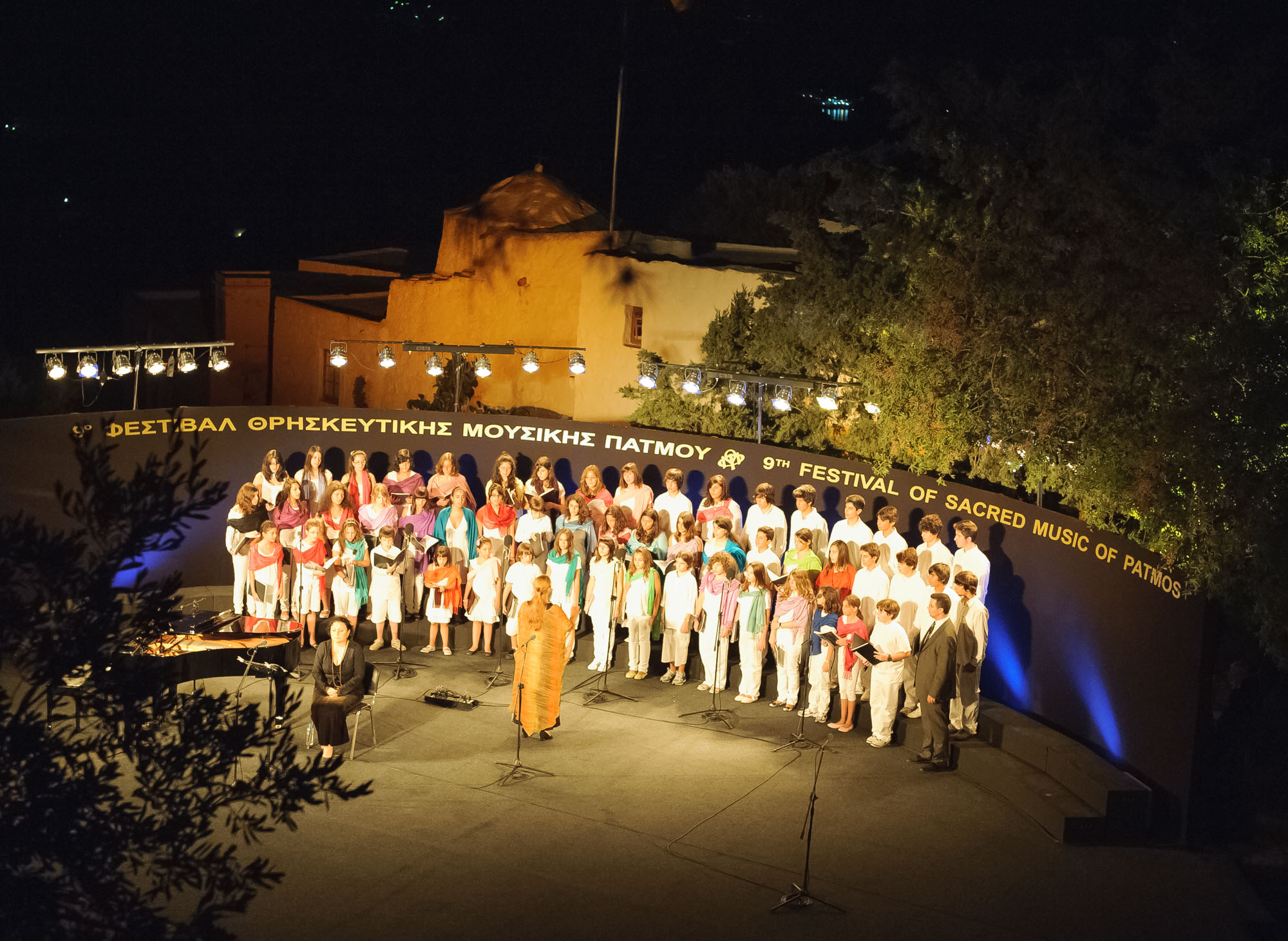
    The festival of religious music

    _MAX4208
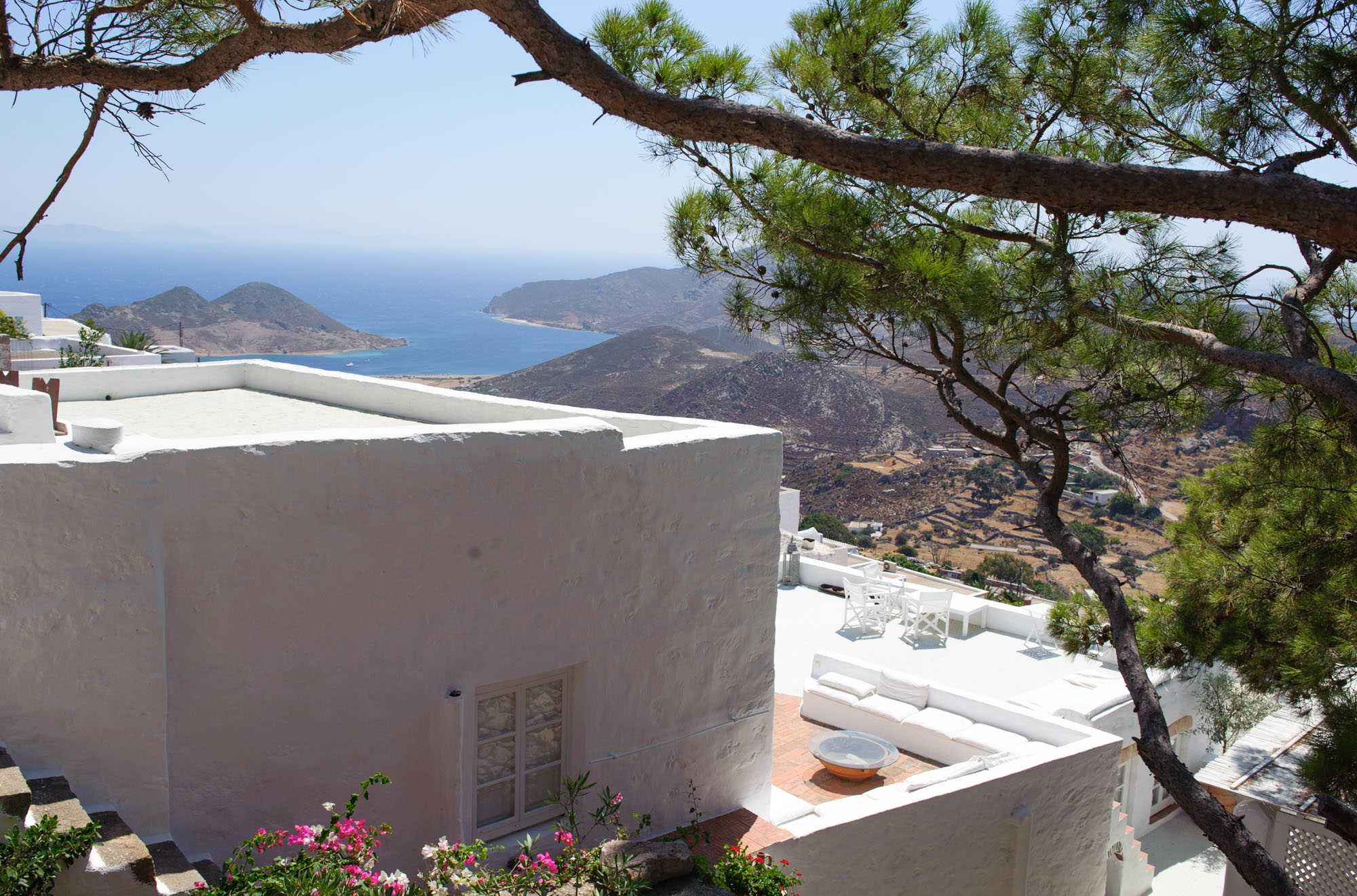
    A view of the island from the monastery of Apocalypse

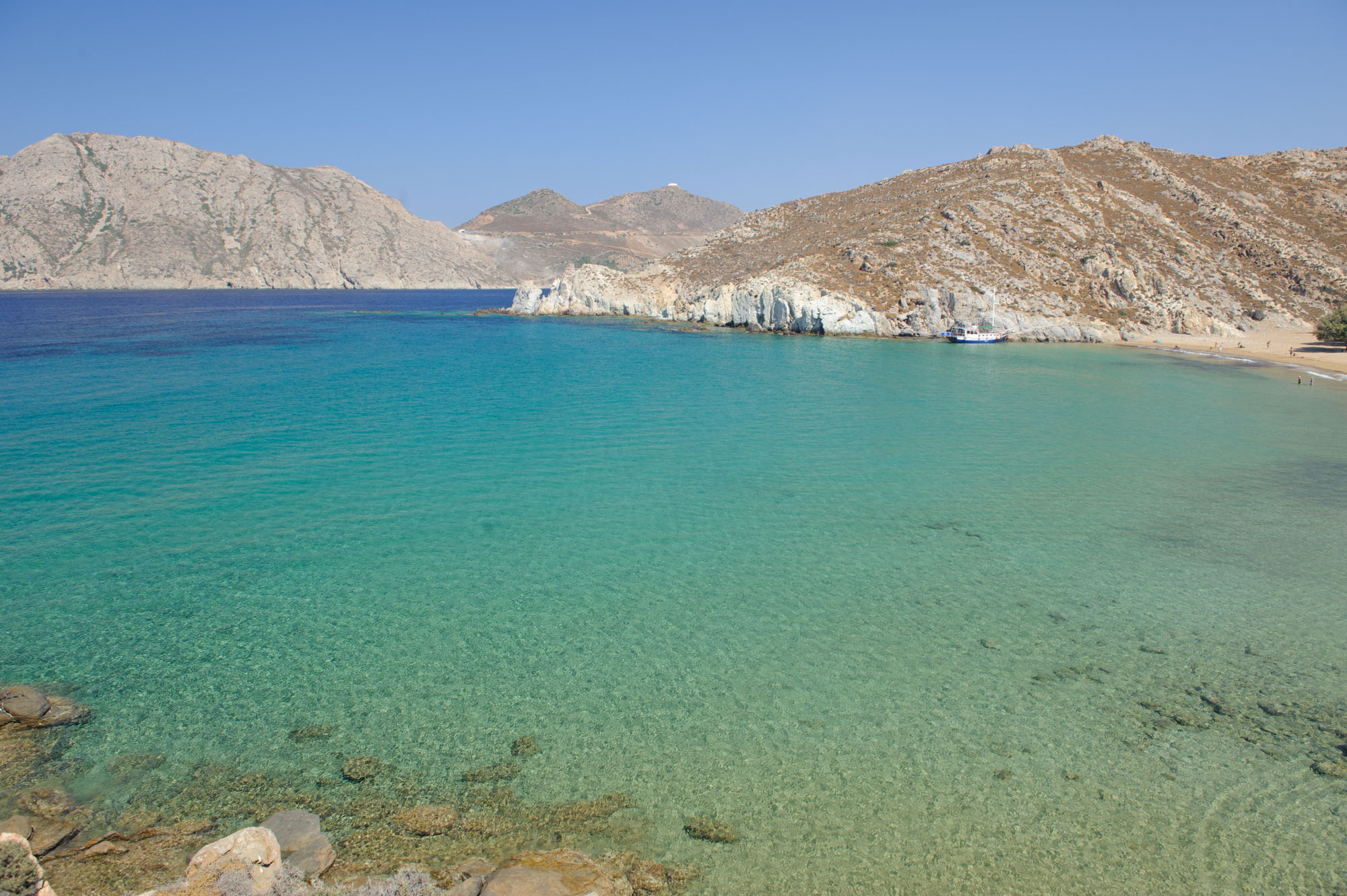
    The spiritual tone is confirmed by the annual Festival of religious Music held during the first week of September in an hillside amphitheatre and featuring performers from the entire Balkans, Turkey and Russia. For people who have no spiritual inclinations, there are amazing and indented bays with crystal clear waters,  plus some major satellite islands like Lipsi, Arki, Marathi and Agathonissi, provided only with basic or primitive facilities, but displaying superb beaches and lagoons.

    _MAX4817
    The beach of Psili Ammos

    _MAX4228
    The weird volcanic outcrop called Kalikatsou

    As it is not easy to get there, this island lacks the crowd of its sister islands Mikonos, Ios or Santorini. No drunken rowdies, no beach bar open till the small hours. Actually, to reach the island you’ve to rely on the slow ferries coming from Piraeus, but it will take 8 to 9 hours to set foot on it finally. A shorter but unreliable alternative is to take a 42-seater ATR from Athens to neighbouring Leros, but sometimes the plane is diverted to other airports due to strong winds and so you must take the ferry  from Leros to Patmos anyway and it will take more or less the same time.

    _MAX4065
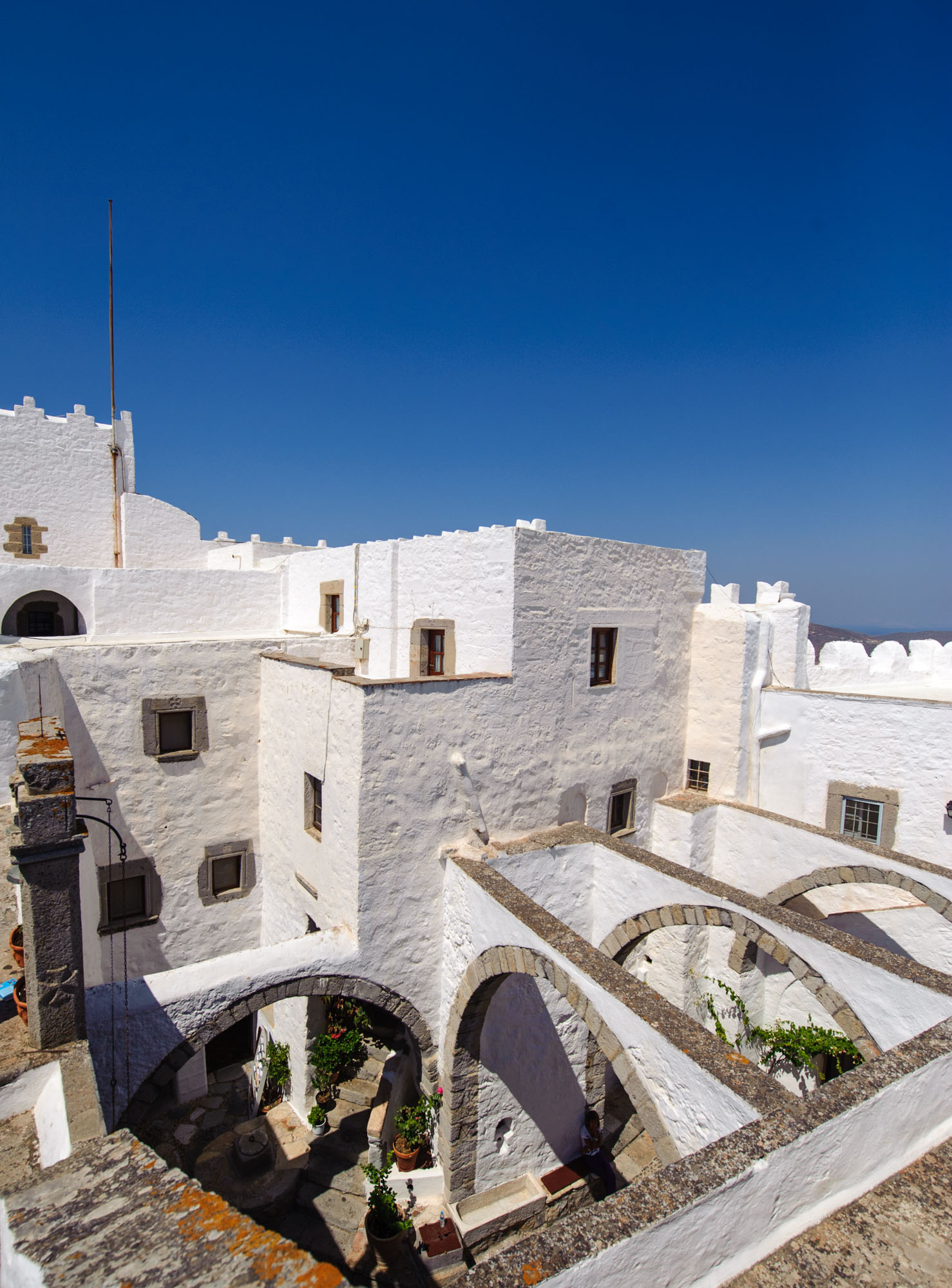
    The fortified interior of St. John’s monastery

    _MAX4603
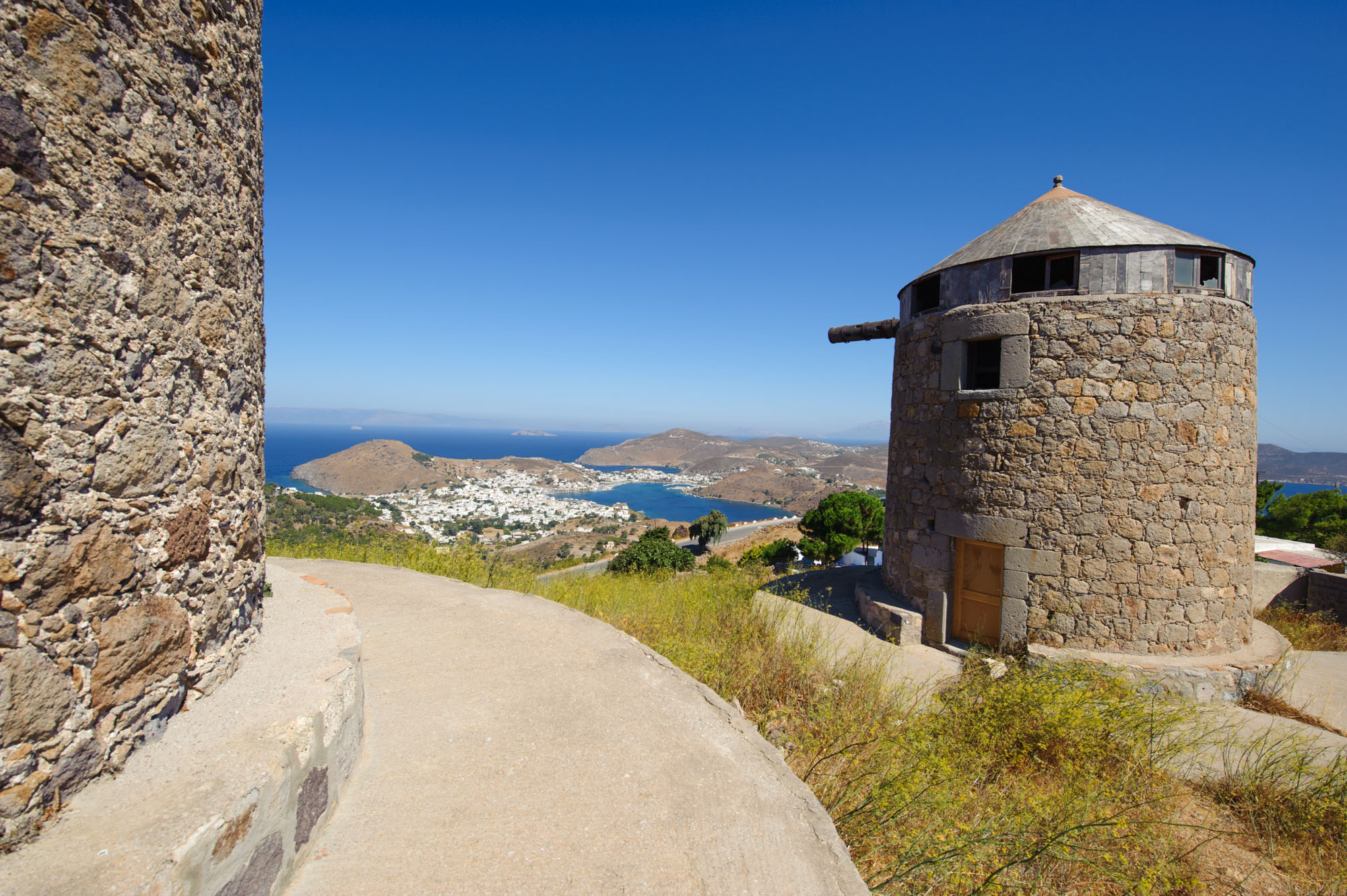
    A view of Skala from the windmill in Hora

    Notwithstanding the island has attracted a rich crowd of artists and posh clientele, among them the late Britons: painter Millington-Drake and travel writer Bruce Chatwin, the Aga Khan family as well as some European royal families, lending Patmos a genuinely cosmopolitan feel which is probably unique in the Dodecanese.Patmos: a glimpse of the Dodecanese