Chios is one of the biggest Greek islands and also one of the least touristic of all Greece. This is because most of the biggest shipping dynasties originate from both Chios and the small neighbor of Inoussses and someone in almost every family still spends time in the merchant navy.

Even if the island has its airport which is well connected with both Athens and Thessaloniki, tourism is low-key; I was told by locals that only 0,5% of GDP is devoted to this sector of the economy. Nevertheless there’s a lot to like in Chios, it’s capital Chios Town is one of the most lively and intriguing urban centers of the Aegean and home of most of the residents, in the south the area of rolling hills called “Mastihohoria” is the only place in the world where mastic trees are productive.


In this area lies a bunch of amazing medieval mastic villages like Pyrgi, Olymbi, and Mesta. The barren north is on a grander scale from a landscape point-of-view with hulking mountains and still some beautiful villages like Volissos. Central Chios is also home to one of the richer Byzantine monuments, the 11th-century UNESCO World Heritage site of Nea Moni, one of the most revered monasteries of Greece.


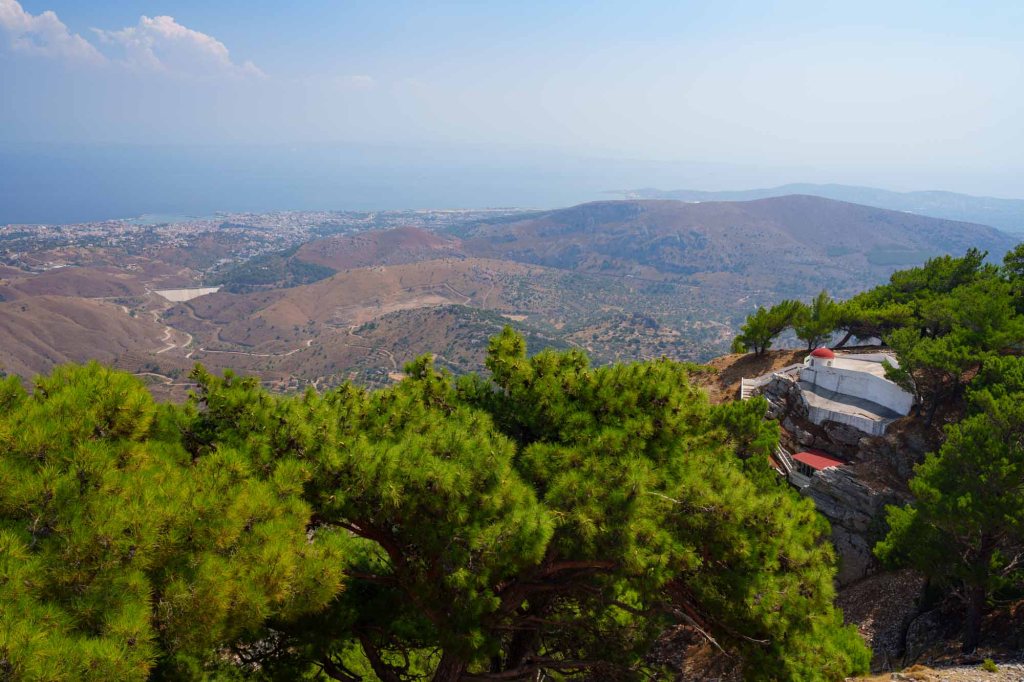
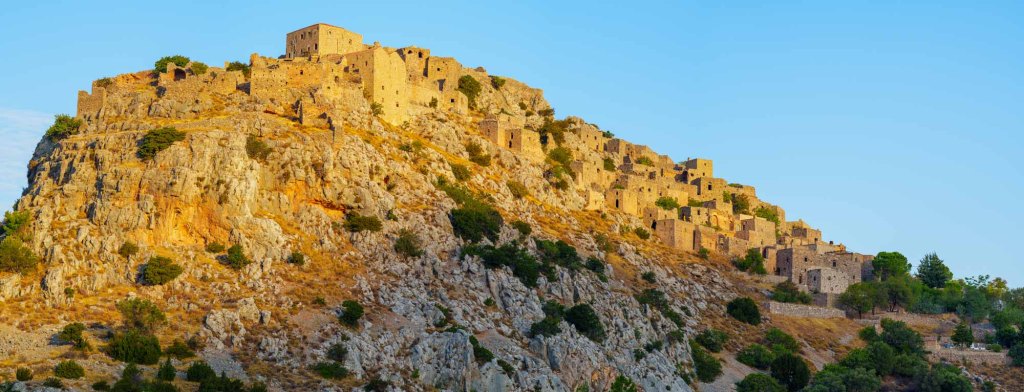
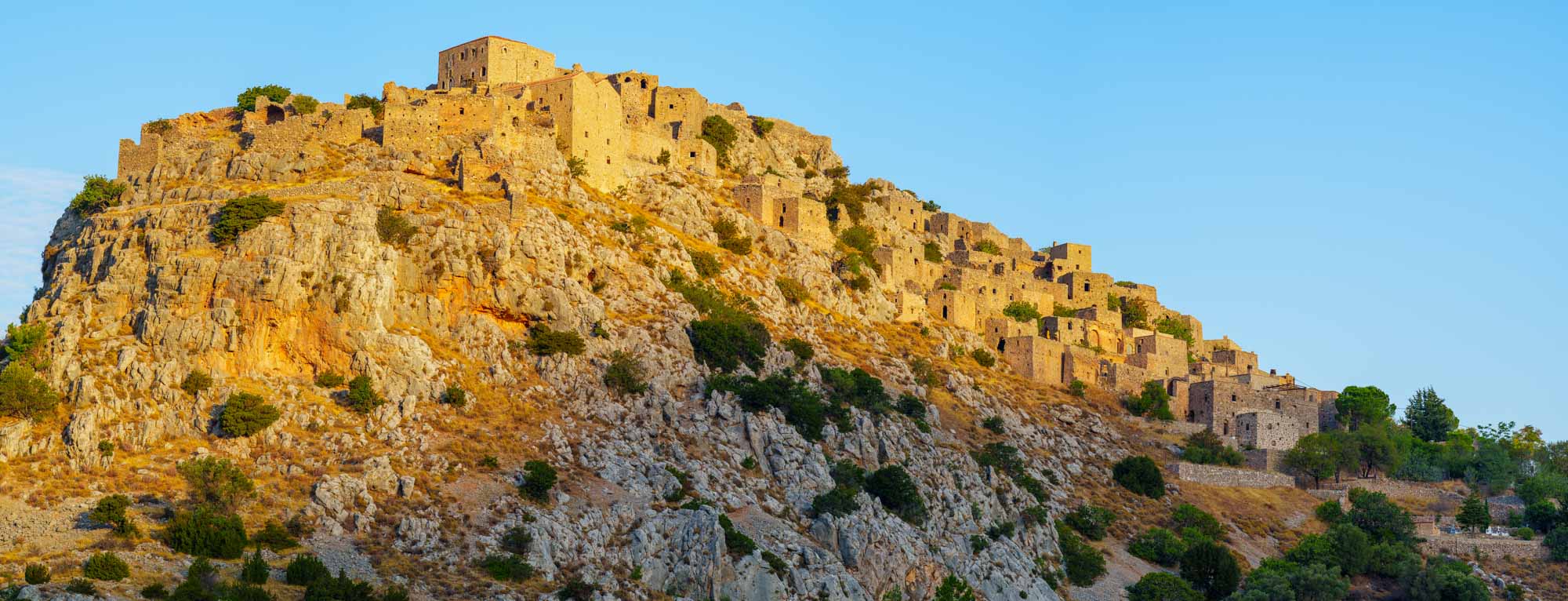
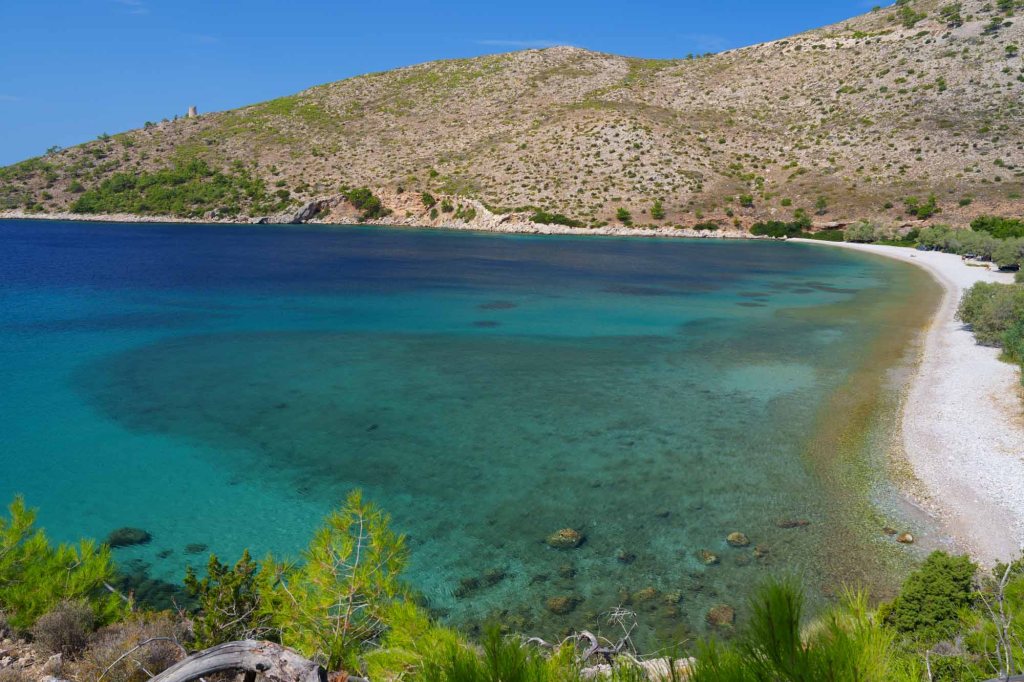
Close to Nea Moni lie a couple of beautiful monasteries hidden in the mountains of central Chios – Aghion Pateron and Aghios Markos, the latter with amazing views of both Chios Town and the coast of Turkey. Ten kilometers after Nea Moni at the end of the road lies another great site the “ghost village” of Anavatos, standing on a 400m knoll and surrounded on three sides by sheer vertical walls it resembles an “Aztec mesa”. As usual, like most of Greece, the island is riddled with very beautiful and uncrowded beaches, especially in the south like Kato Fana, Agia Dynami, and Avlonia; whereas in the north are exposed and battered by strong winds and waves.

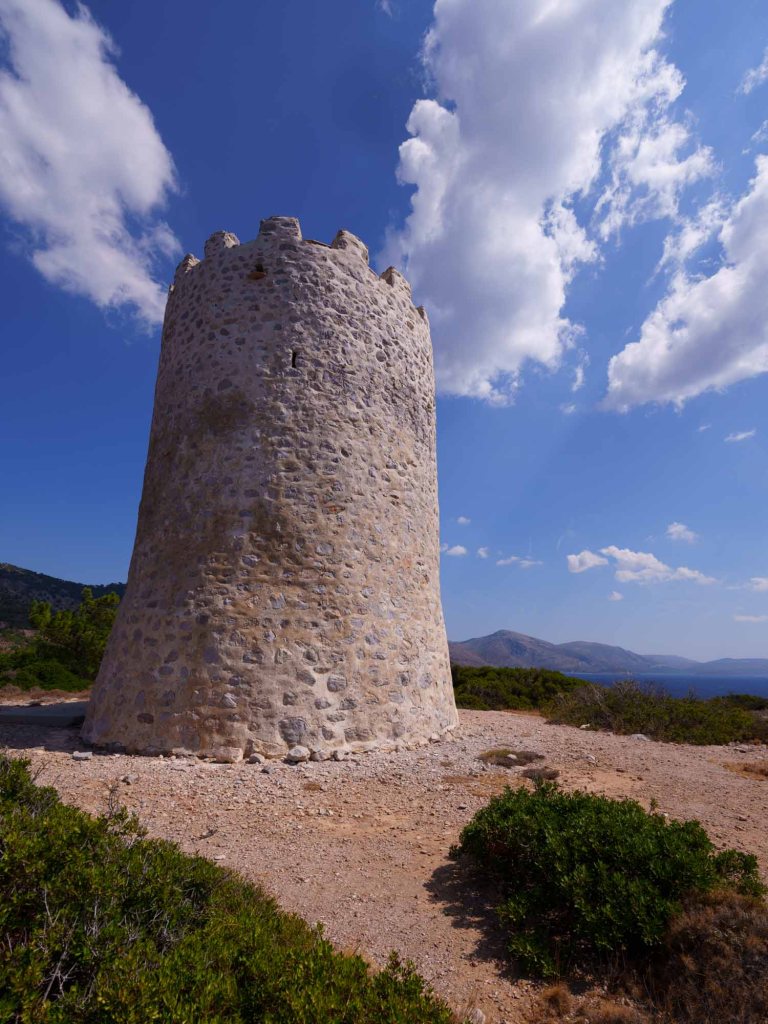
The island was settled by Genoese in the 14th century and for almost two hundred years they ruled and designed the “mastic village” albeit most of the people think that they were made by the following rulers: the Ottomans. These villages, which retain their architectural uniqueness, have a Middle Eastern feel.


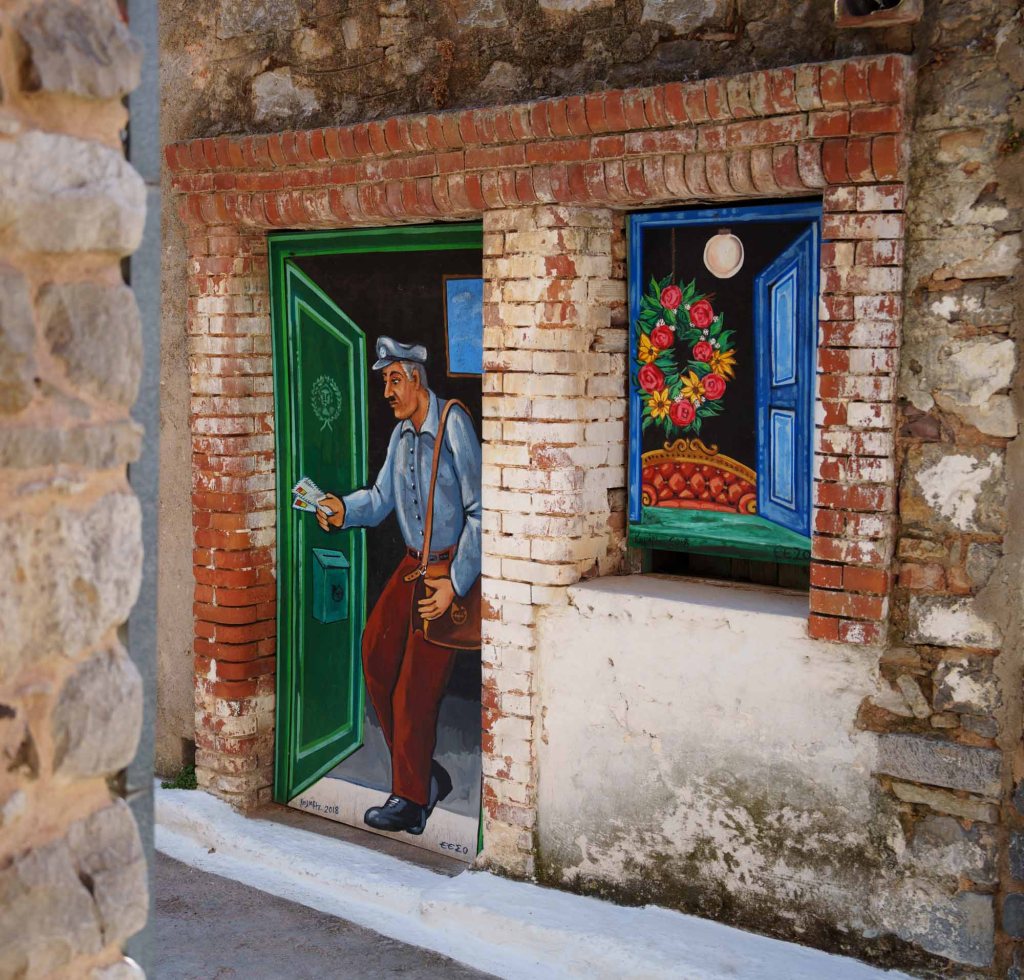
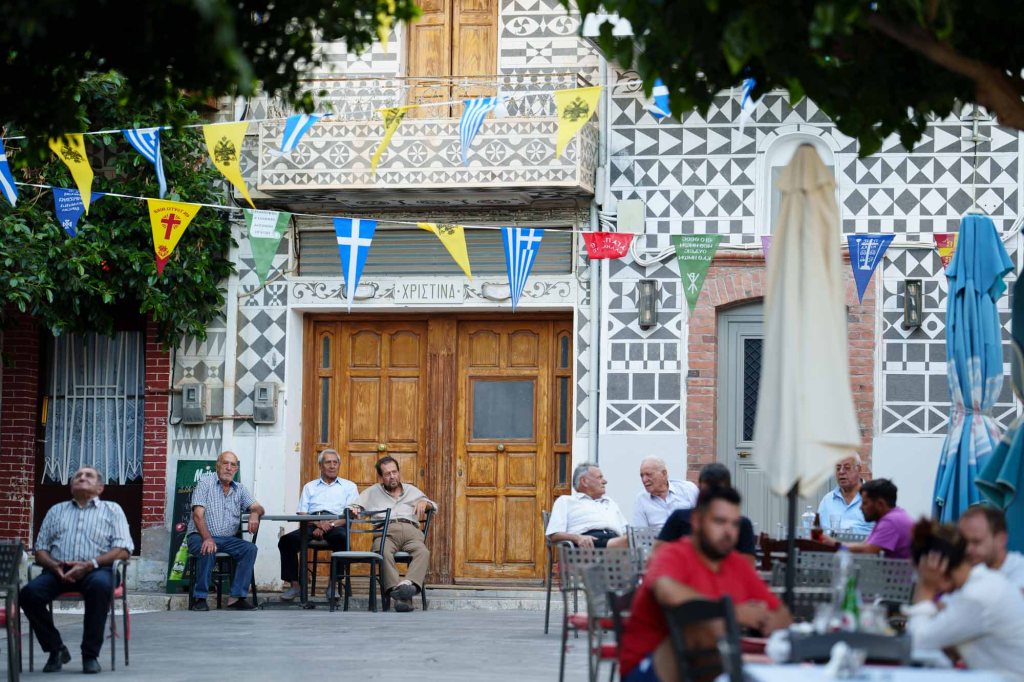

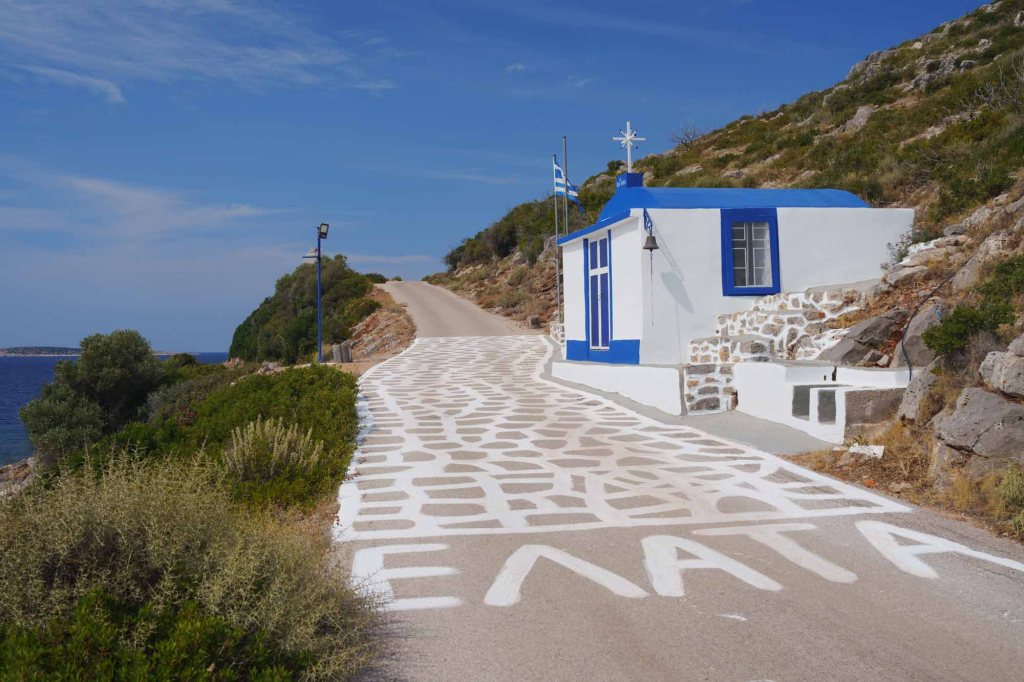
The layout plan involves a warren of tall houses with the outer row doubling as perimeter fortifications, and breached by a few gateways like Mesta, arguably the most beautiful of all. If you want to avoid the crowd head to the less-known medieval villages of Elata, Vessa, Armolia and Avgonyma, they are all very beautiful.

 MASSI CREMASCOLI