Tag: ionian islands

  • Ithaca: a Mediterranean getaway

    Ithaki or Ithaca, as it’s known for most of us in Italy, is Odysseus’ mythical homeland, an island rooted in history which, so far, has not succumbed to the worst of mass tourism. There’s a special kind of presence in this land, in this light; it seems that the ancient world is still there, at your elbow, but just out of sight. The entry into Vathy harbour will set the atmosphere for your visit, it is most remarkable as well as beautiful, backdropped by mountains, it boasts one of the most idyllic seafront settings of all the Ionian islands.

    The bay of Vathy at sunset

    Like in Kefallonia, most of the buildings have been heavily damaged by 1953 earthquake but some fine examples of pre-quake architecture remain both in Vathy and in Kioni. According to Homer, Ithaca was the capital island of a group comprising most, if not all, of its close neighbours, and it’s well situated to enact this role. Nowhere this status can be claimed so strongly than from the old ruins in Paleohora, just above Vathy, where all these islands and the coast of continental Greece dot the horizon in multi-hued colors, ranging from the clearness of the azure sky, the blue of the sea and the verdant cypresses.
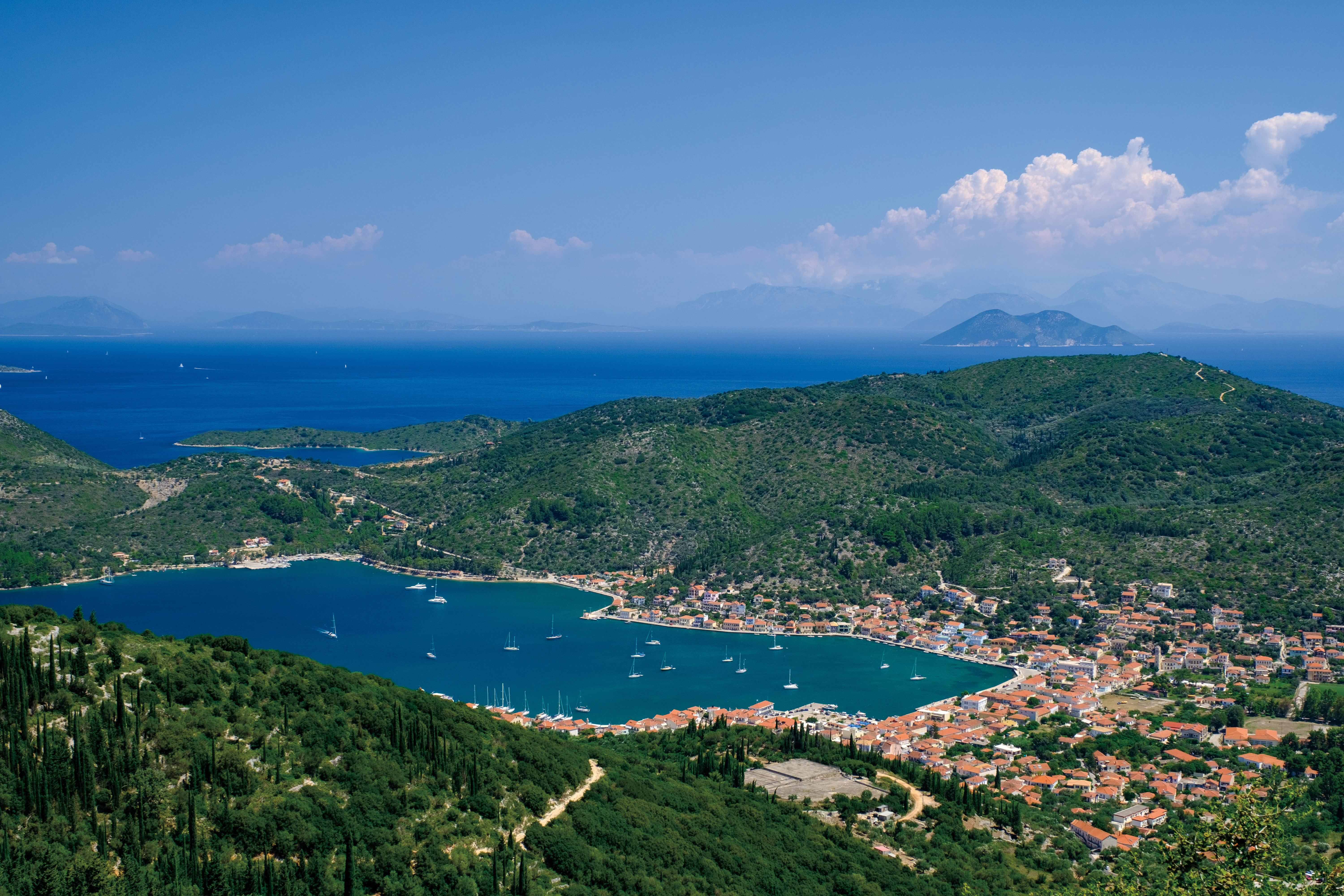
    A view of Vathy from the ruins of Paleochora
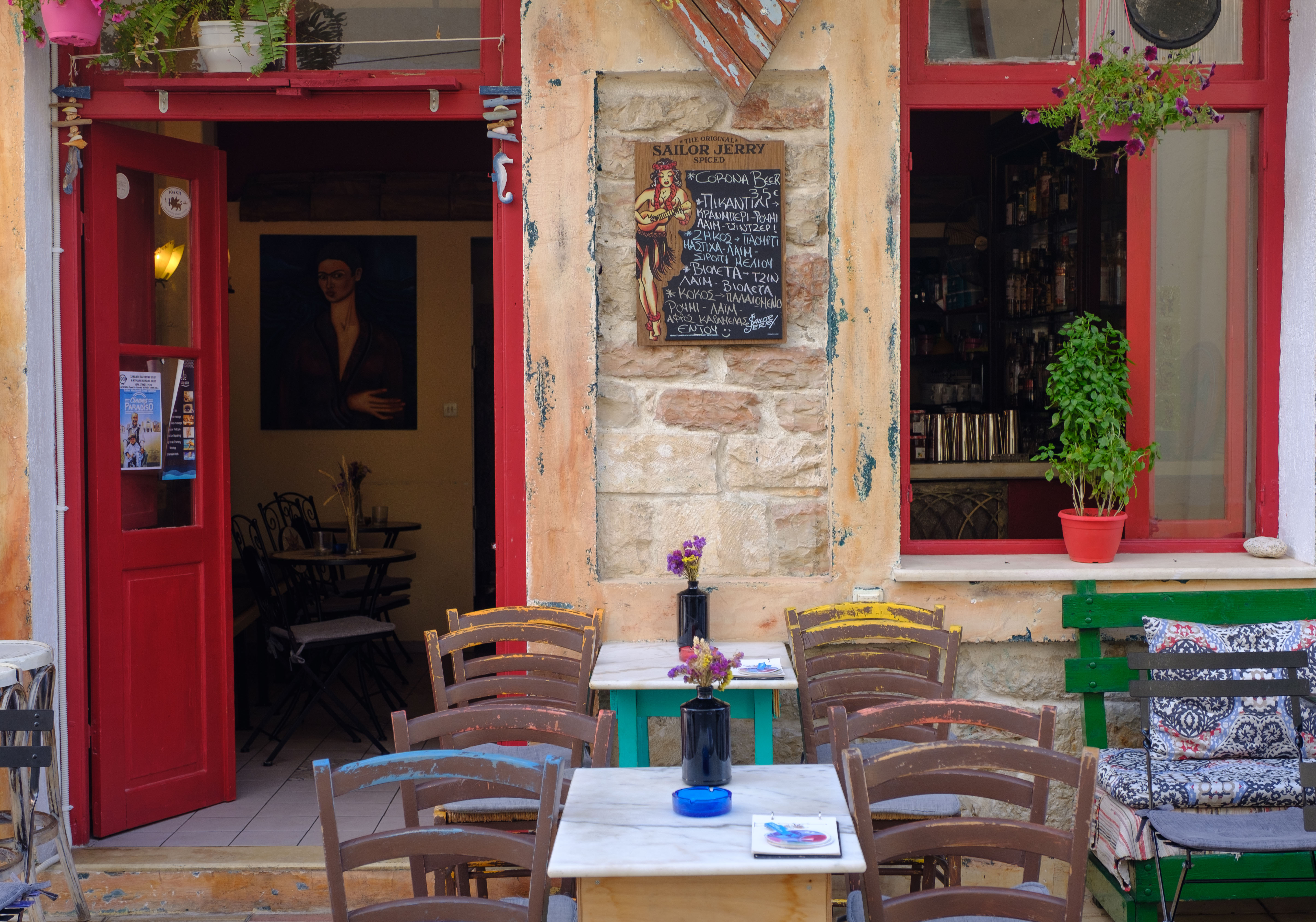
    A bar in Vathy

    A wonderful scenic mountain road links Vathy with the northern half of the island reaching the mountain village of Anogi and the monastery of Katareon where there are fabulous views of the bay of Vathy, provided that you can withstand 50-knot wind blowing from the north. Further north along a narrow and hair-rising road you can reach the top of Exogi for panoramic views of the north coast, the bay of Afales as well as the island of Lefkhada. Not far from Exogi, a rough track leads to the supposed School of Homer where there are remains of extensive foundations as well as views of Afales Bay. 
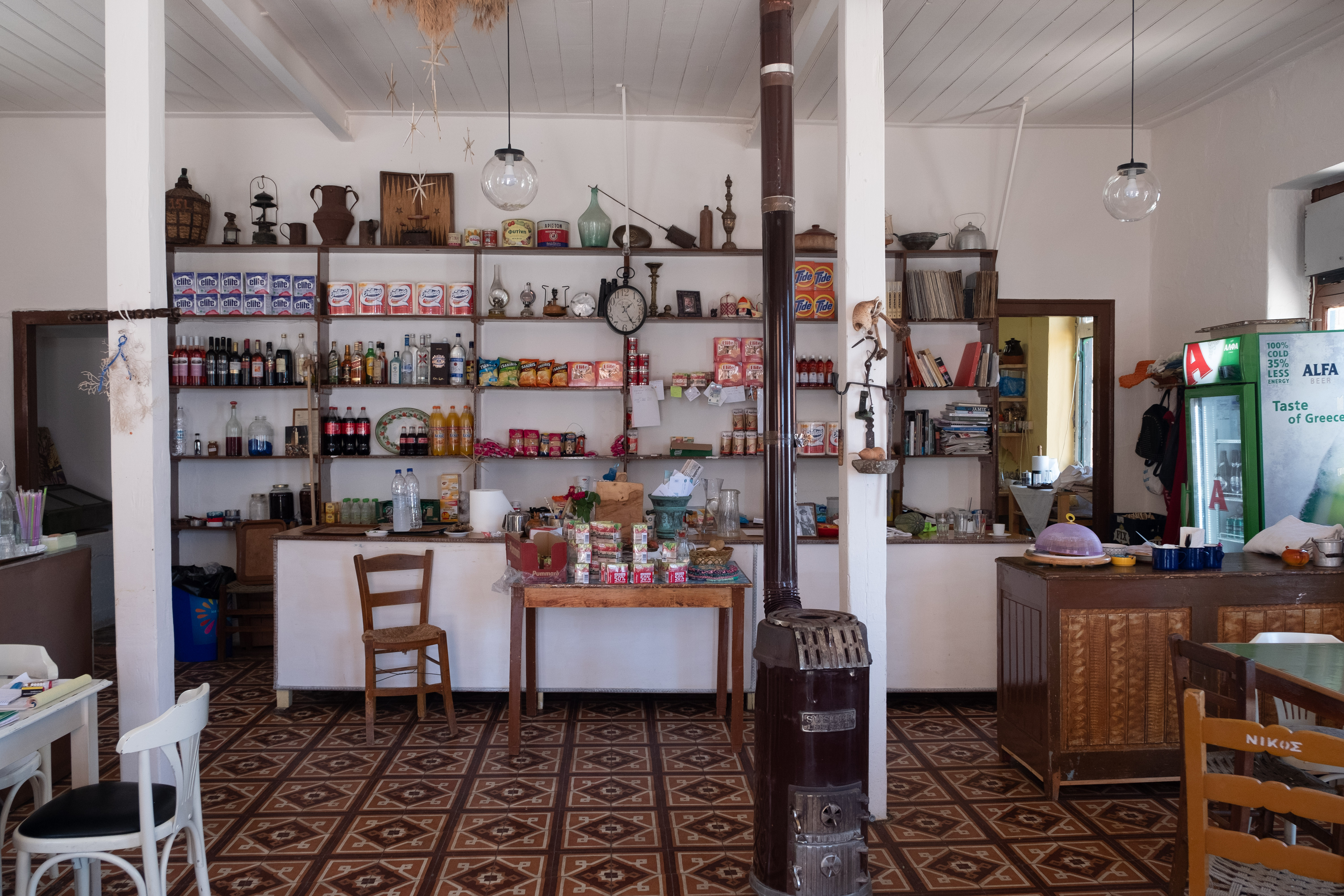
    All-in-one: taverna, bar and market in the mountain village of Anogi
    The monastery of Katareon
    Stained glass inside Katareon
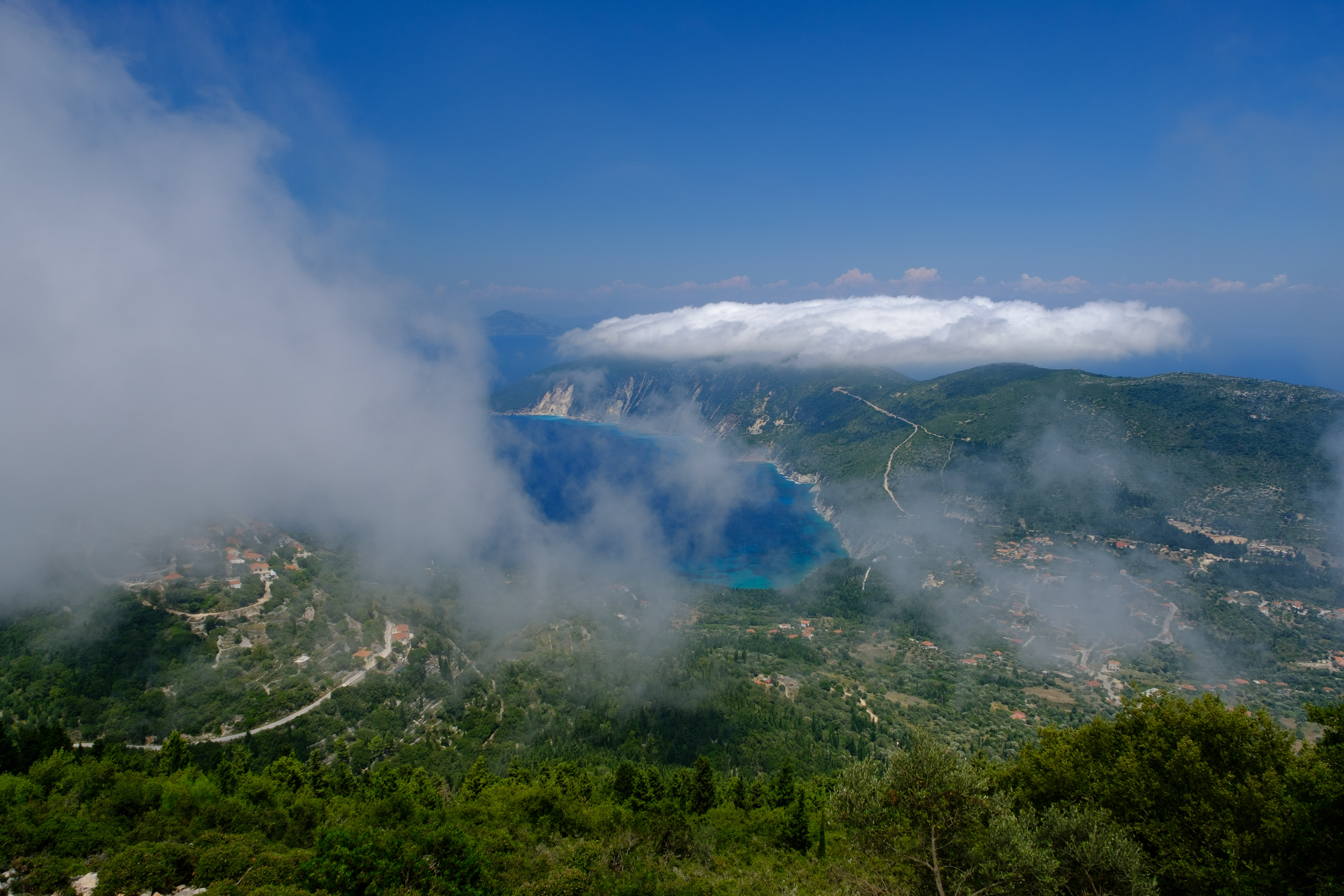
    Low clouds in Exogi

    At the end of the road there are the lovely hamlets of Frikes and Kioni. The former is the departure port for Lefkhada; when the ferries have departed, Frikes falls quiet; this is the real charm of the place. There are no beaches to speak of in the village but plenty of superb coves on the road which hugs the coastline to Kioni. This latter it’s an extremely pretty village which retains some fine examples of Venetian architecture tumbling down in the bijou harbour where you can enjoy a cold Mythos while waiting for the sunset. 
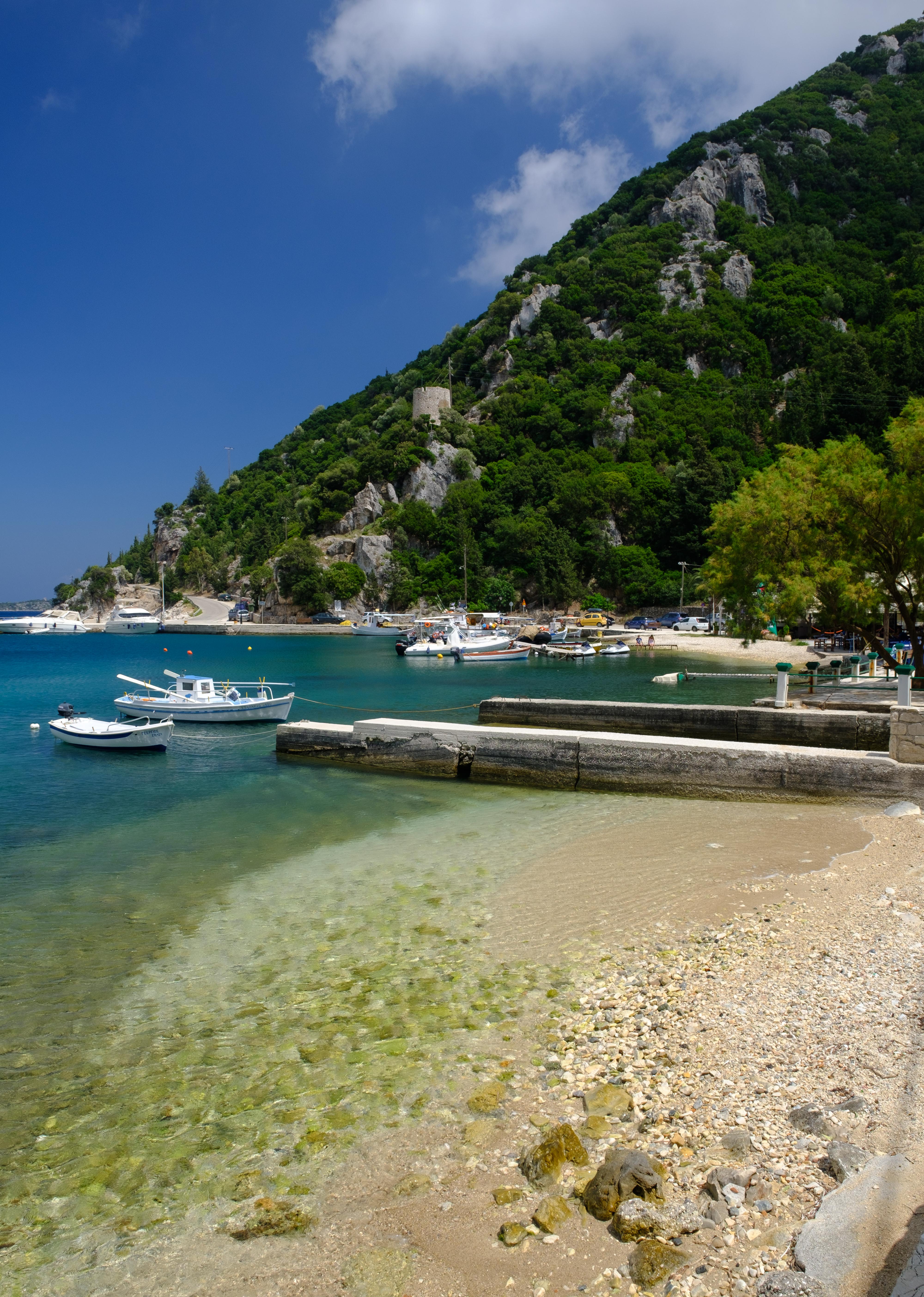
    Frikes
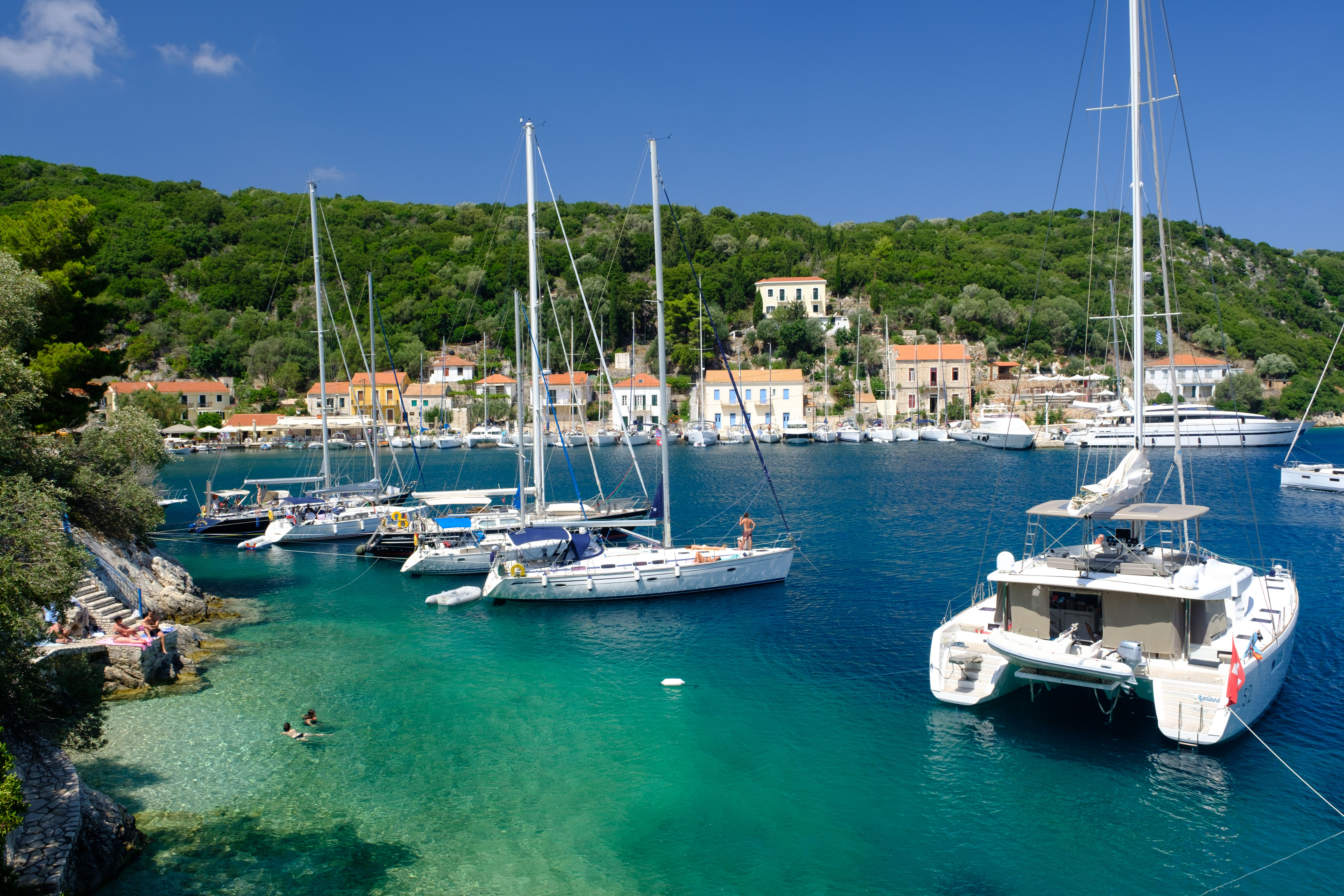
    Sailboats in picturesque Kioni

    Even if Ithaca lacks the scenically beautiful beaches of neighbouring Kefallonia it has at least a couple of beaches, Skinos and Gidaki which are, in my opinion, among the most beautiful of all the Ionian islands. You can reach them by boat or via a scenically footpath (it was our choice) which connects the two strands. There are no facilities at both save for a small and crumbling taverna at Gidaki managed by some friendly Australian-Greeks guys whose fathers hailed from Ithaca.
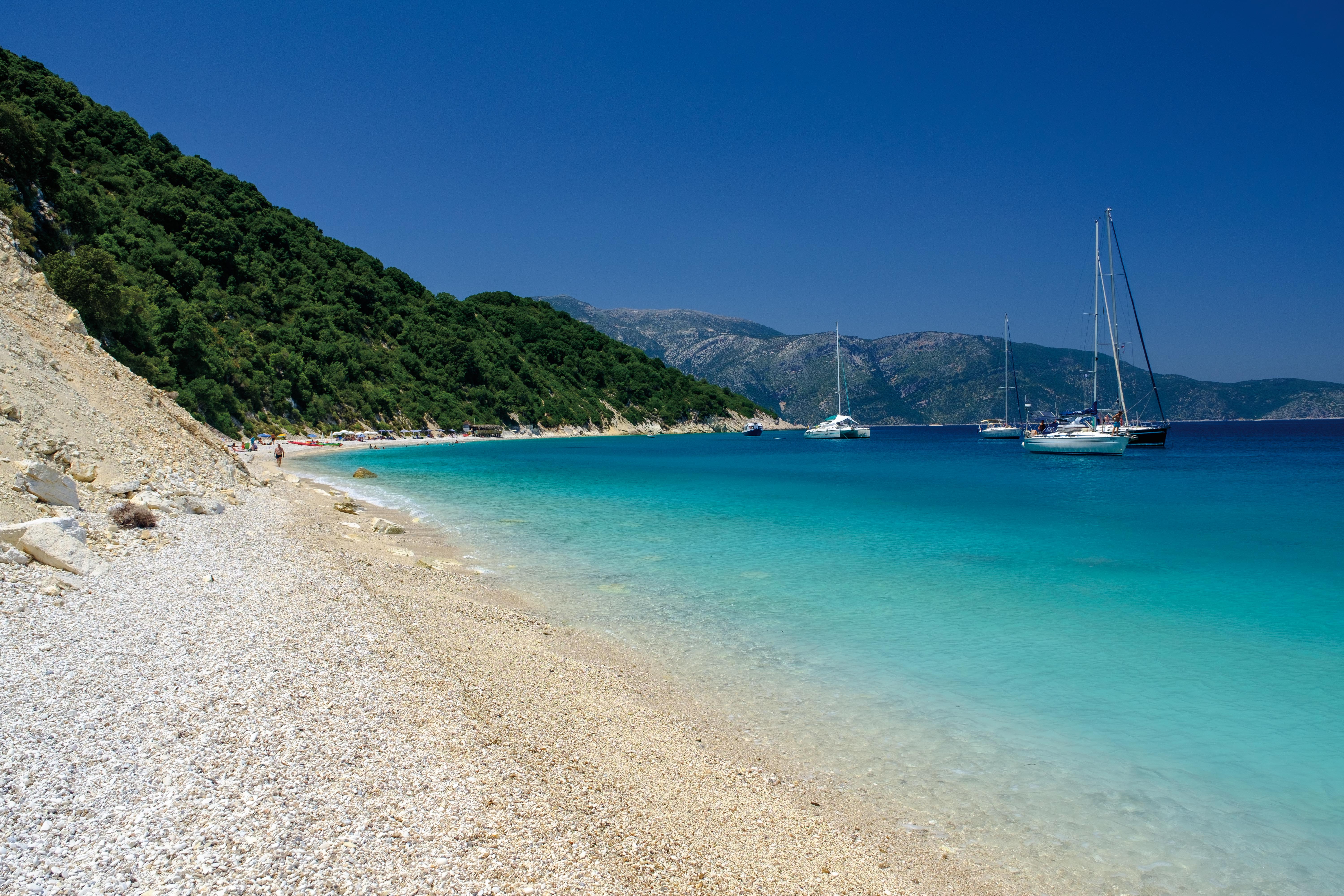
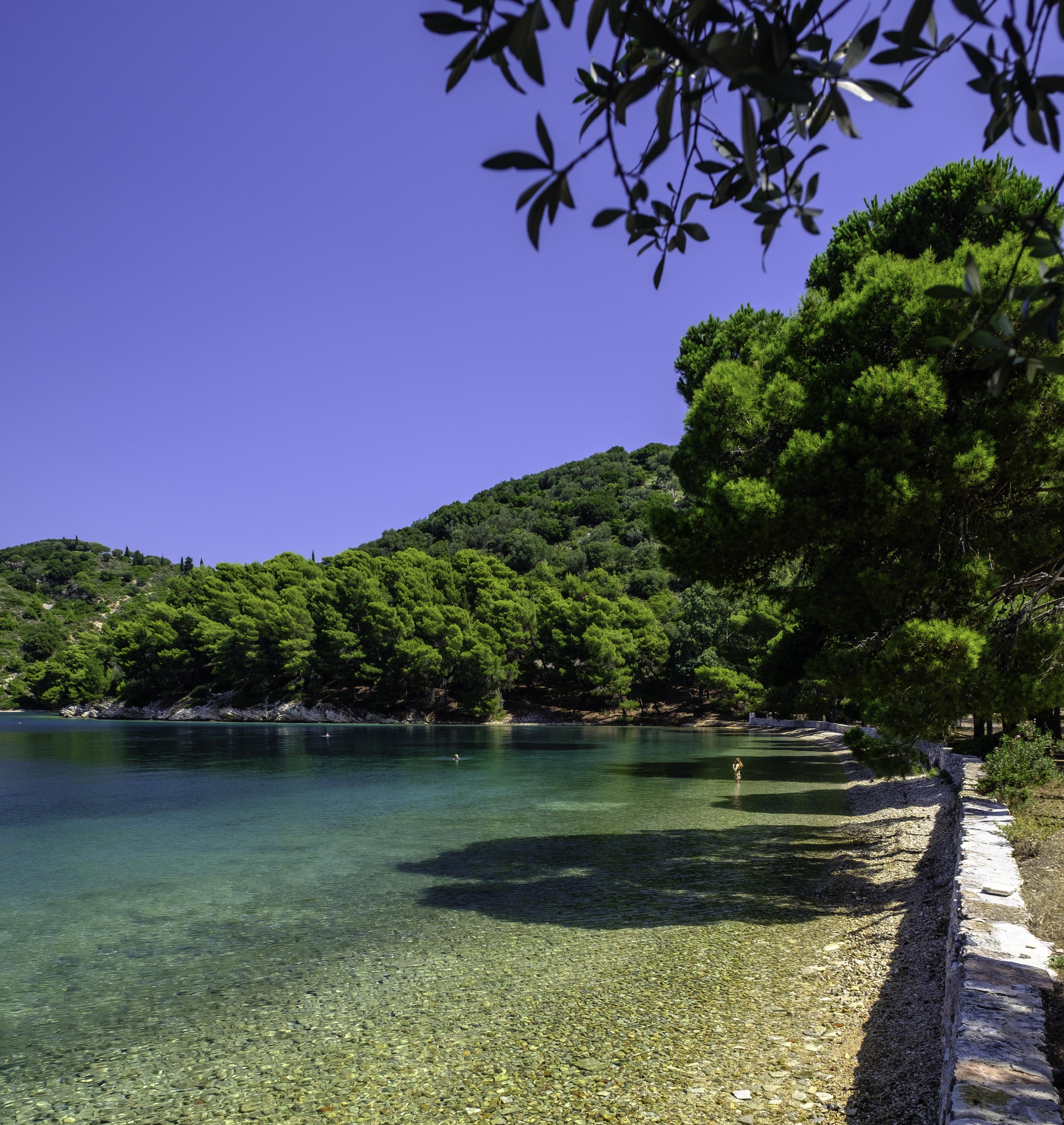
    The white pebbles beach of Gidaki
    Laid-back Skinos

    Yes, Ithaca, the home of Odysseus and therefore of hospitality, has become the ultimate Mediterranean getaway; it’s the perfect choice for a tranquil holiday, with scenic mountain roads, windswept cliffs and crystal-clear waters, the small Ionian island will retain a charm of its own which will last long in your memories.

  • Kefalonia: is it a hidden treasure of the whole Greece?

    In my mind the Ionian Islands have been, so far, a somewhat neglected part of Greece lying in the shadow of the more aesthetically beautiful archipelagoes of the Cyclades, the Dodecanese, the Sporades and the Argo-Saronic. I have to admit that my first foray in the Ionian, the island of Lefkhada, strengthened my conviction about the whole archipelago; with that belief in mind I started my trip to the island of Kefalonia.

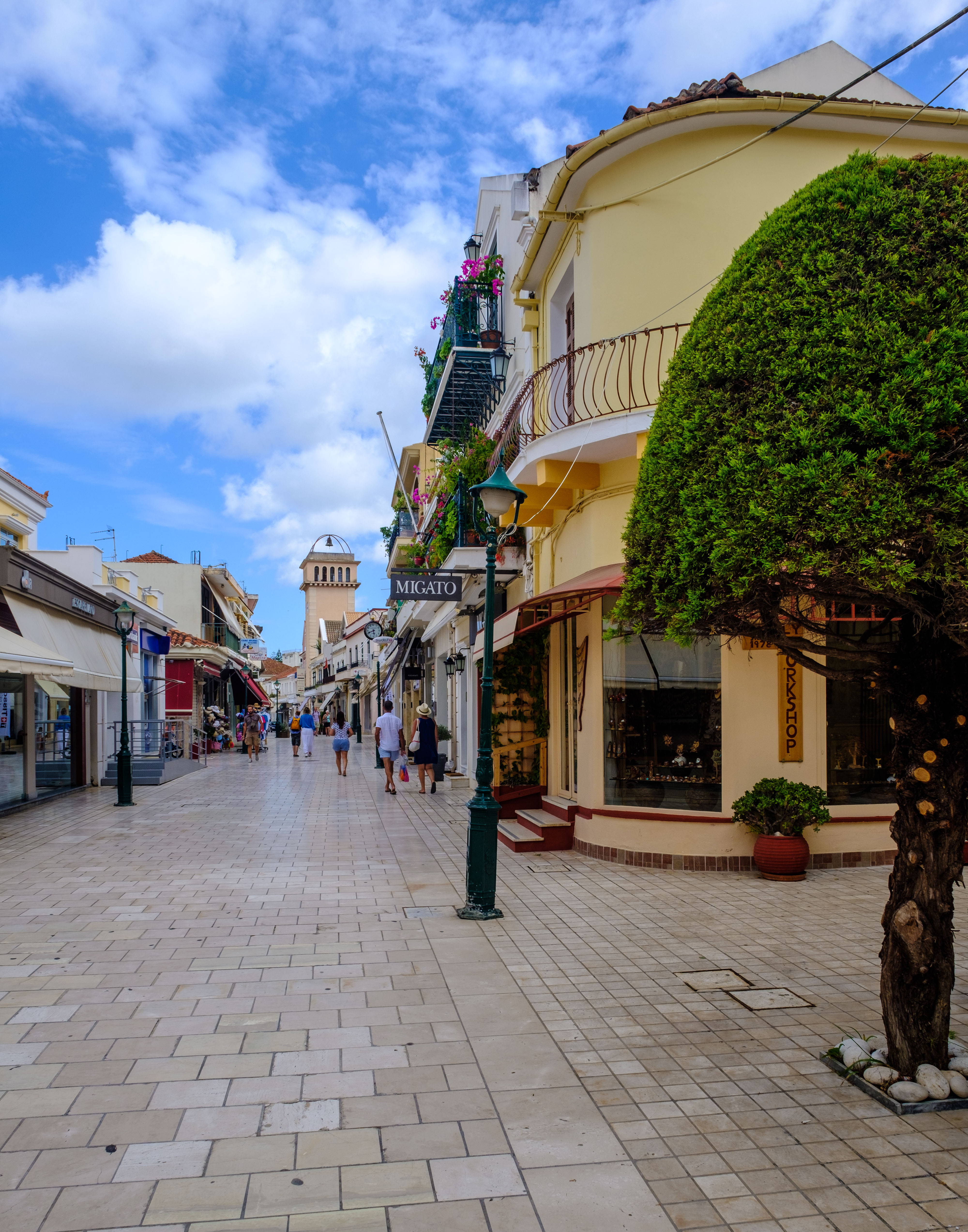
    Lithostroto, the main pedestrianized street of Argostoli
    A colorful green grocer in Argostoli
    Melon and watermelon, Argostoli

    At first glance the port of Argostoli set in a  marvelous position, in a bay within a bay, seems a rather ugly greek town whose buildings of reinforced concrete must withstand some of the most powerful earthquake on earth and not be pleasant architecturally. In fact if you take a look at old photos of Argostoli, pre dating the quake of 1953, the port was lined with some of the most beautiful Venetian neoclassical houses of the Ionian which, sadly, have been flattened like almost every building in the island.

    Towering bougainvillea in Lassi
    A superb cove in Lassi
    Another cove on the peninsula of Argostoli

    Today strolling along the port and the pedestrianized De Bosset bridge you can easily spot giant hawksbill turtles (Caretta caretta)  languidly and gently spinning so close to the shore that you can almost touch them and the whole town at sunset start to has, suddenly,  a certain charm of its own. 

    A friendly local, port of Argostoli

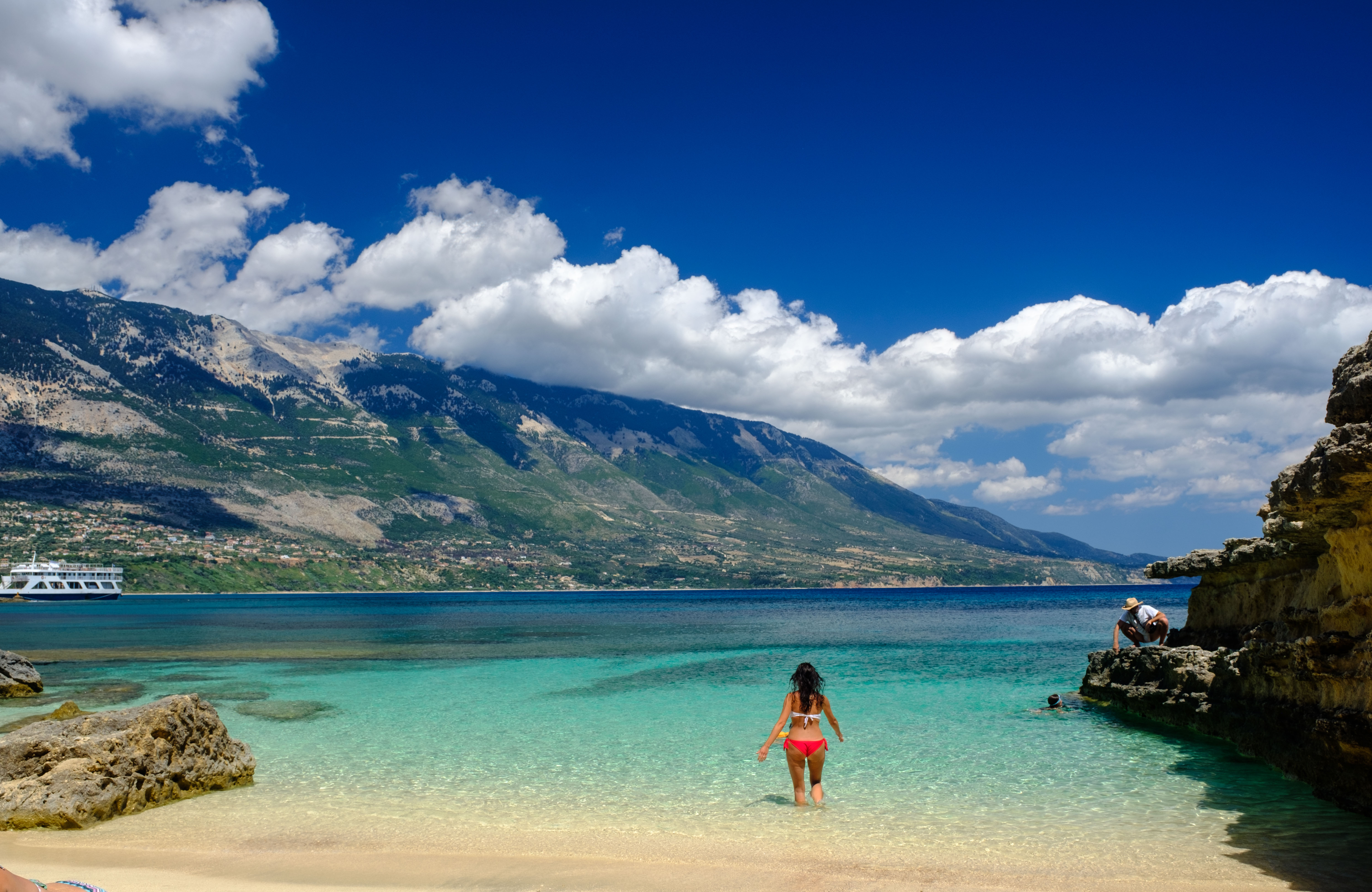
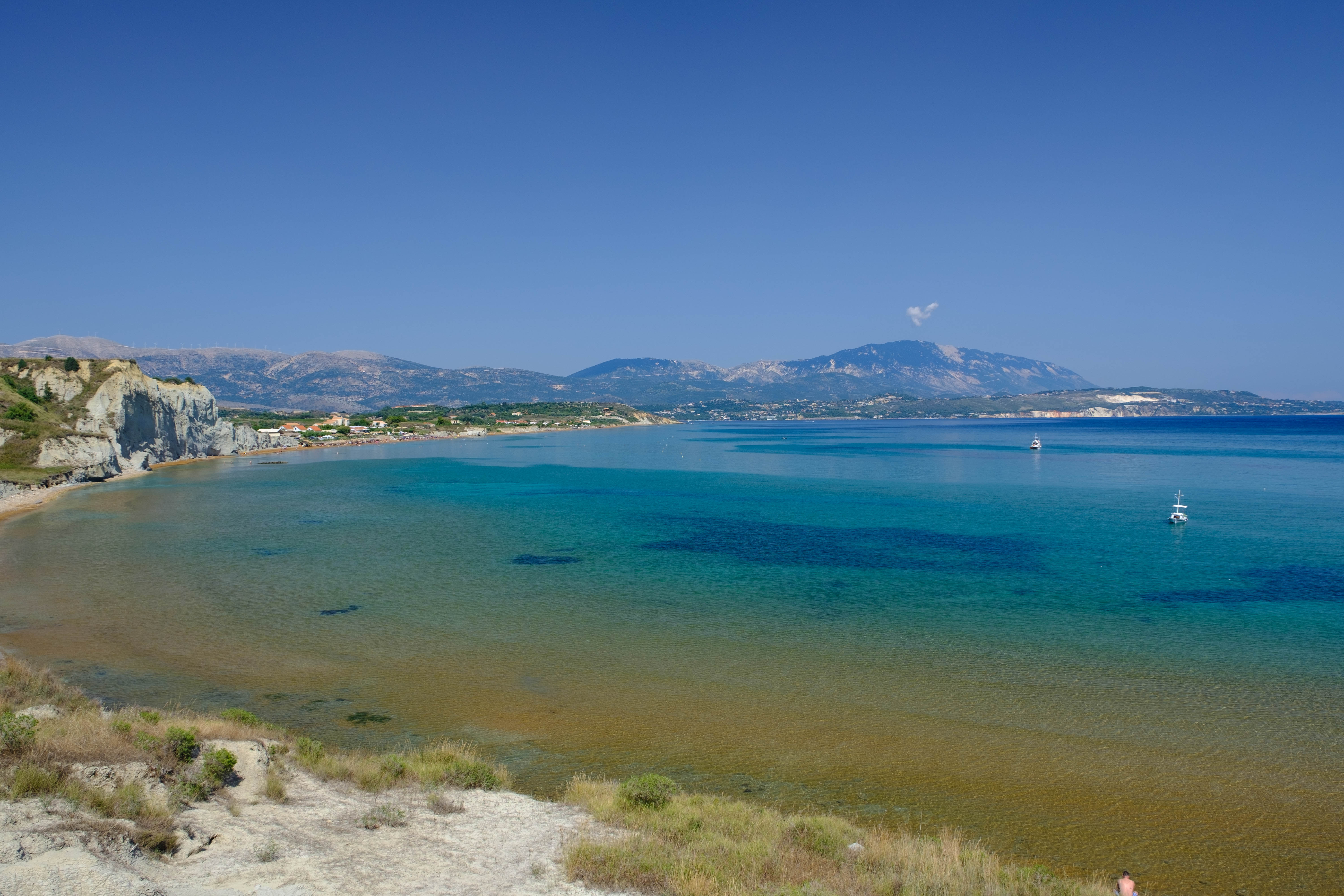
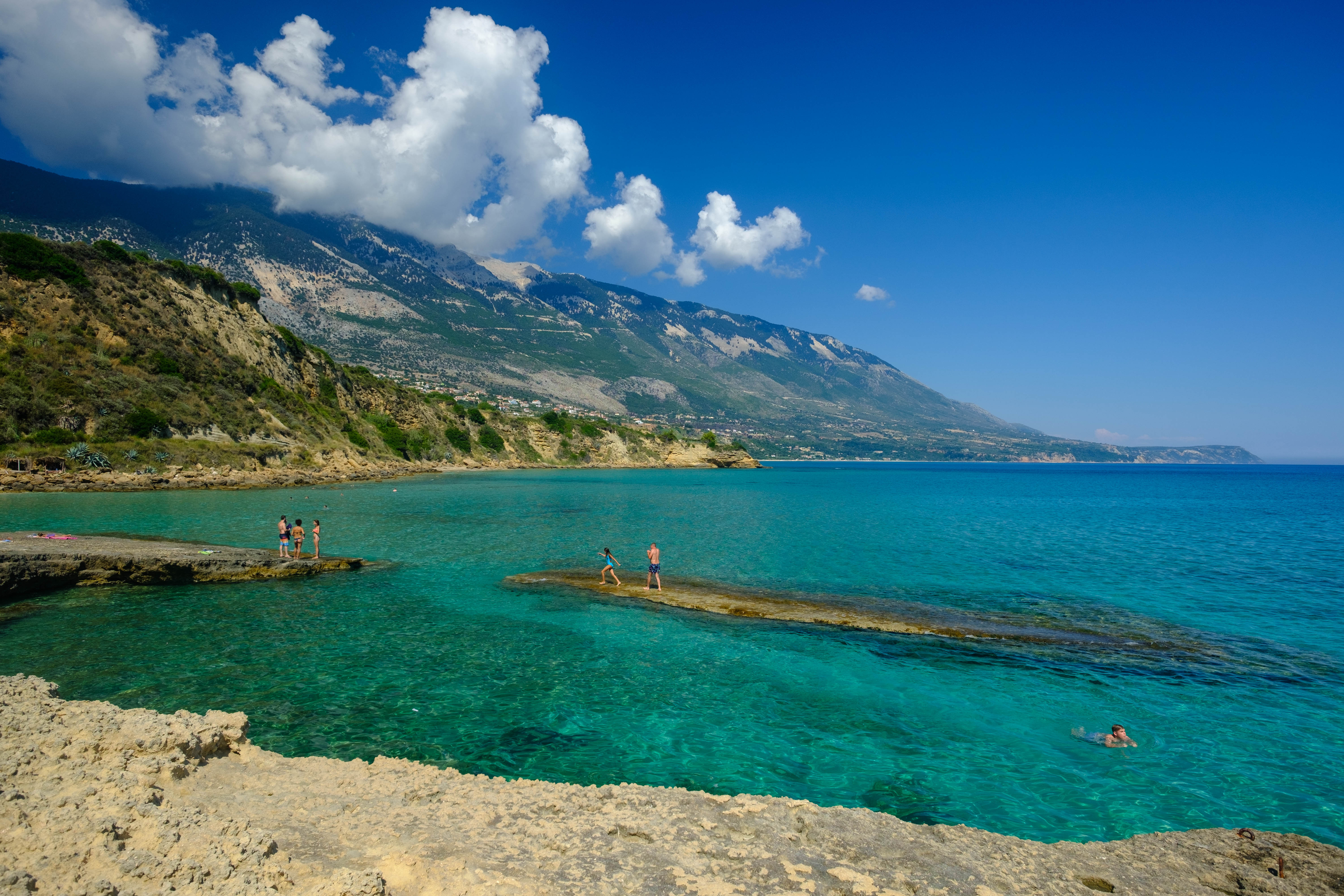
    The island is large and mountainous, the landscape is wonderful with spacious bays and really amazing beaches, inlets and coves whose colors range from the aquamarine to the deepest of cobalt blue.

    Old buildings in Porto Atheras
    Serene Porto Atheras

    True there are no ancient sites to visit but the scenery is so magnificent, the hills are covered with verdant cypresses and pines; the peak of Mount Enos at 1632 metres  is  home of the Abies cephalonica firs which covers the slopes where you can spot, also, herds of wild horses. The weather around this mountain can deteriorate very rapidly even in the deep of summer. In winter the area is shrouded in mist and snow.

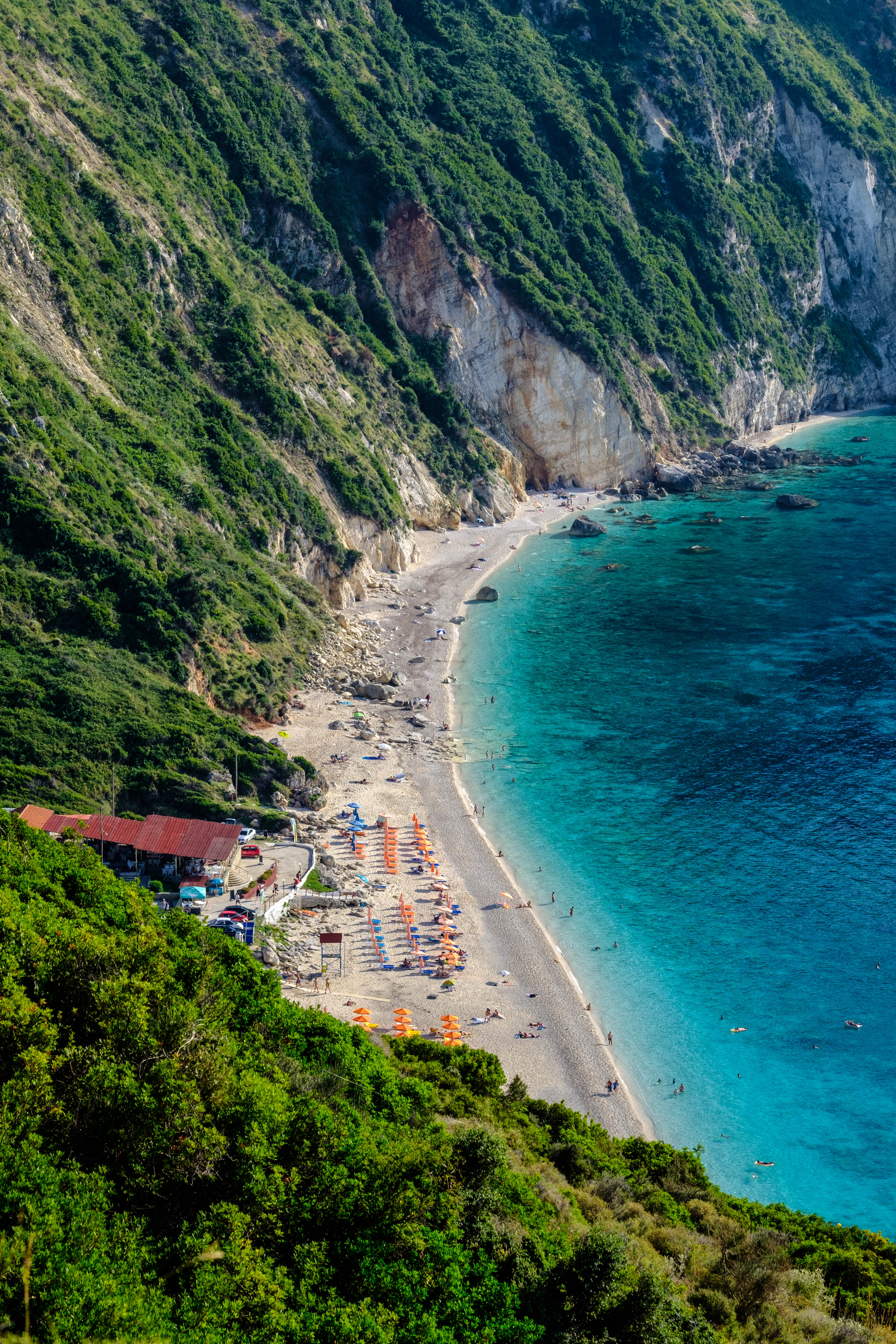
    The amazing beach of Myrtos from the high cliffs around
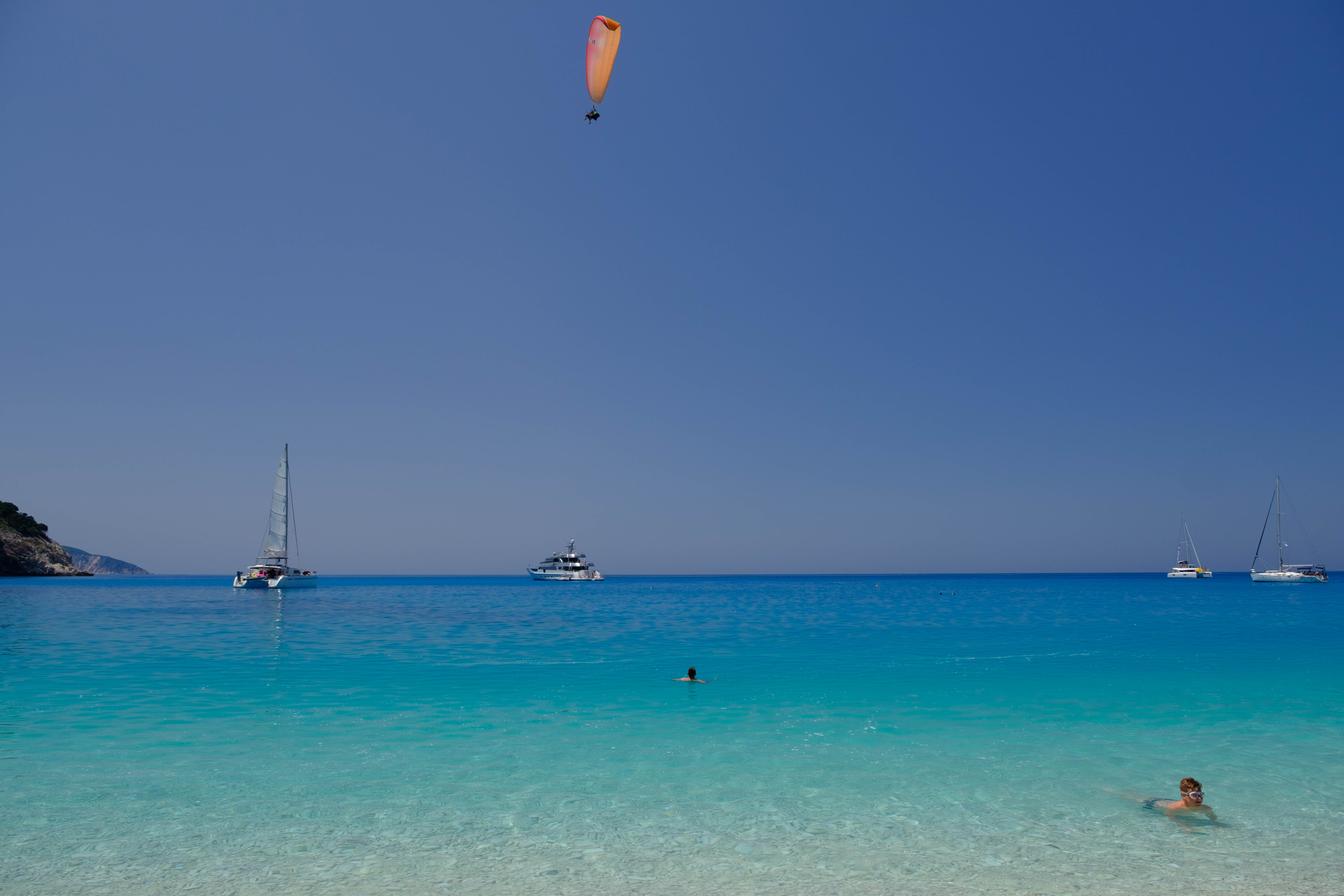
    Paragliding in Myrtos
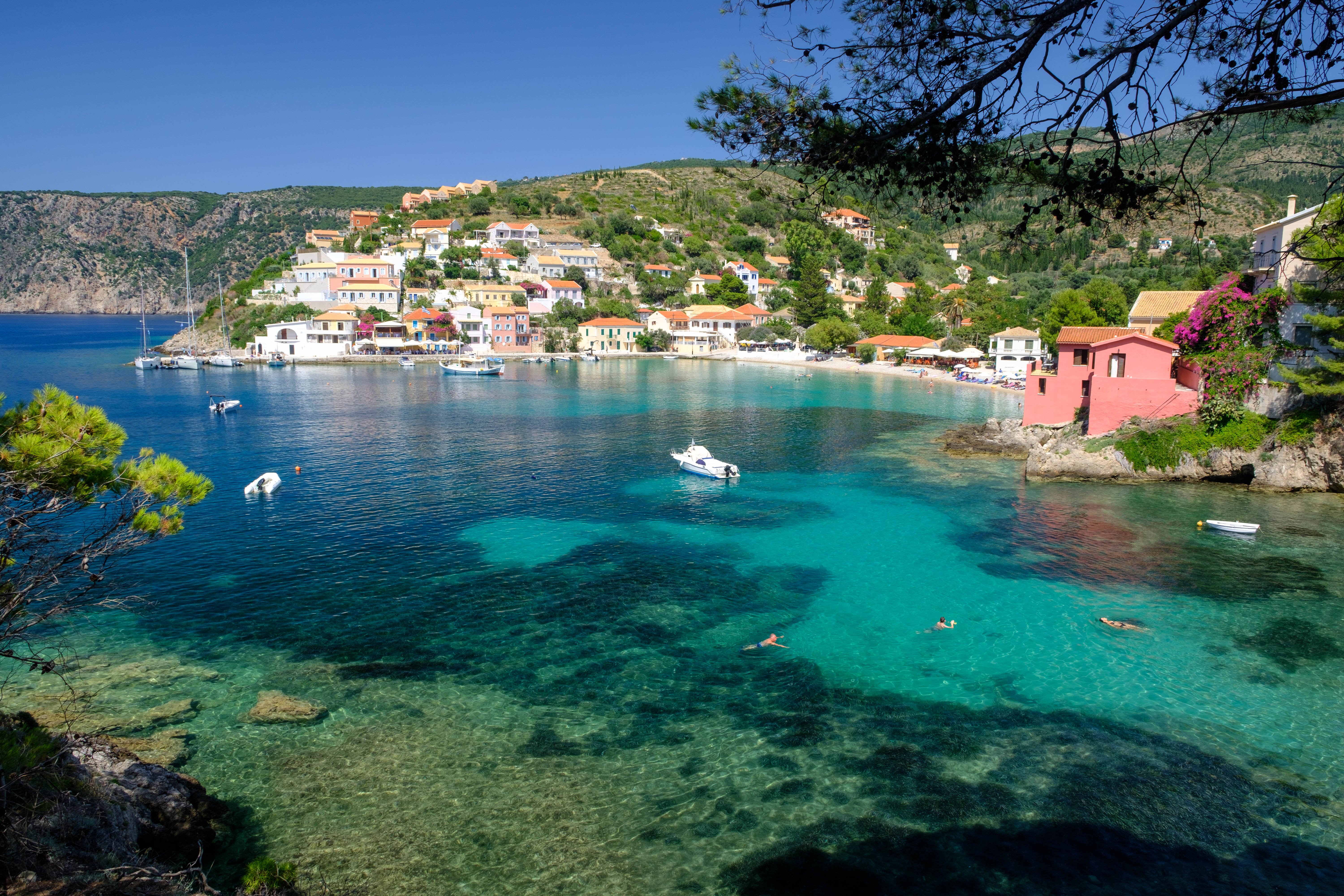
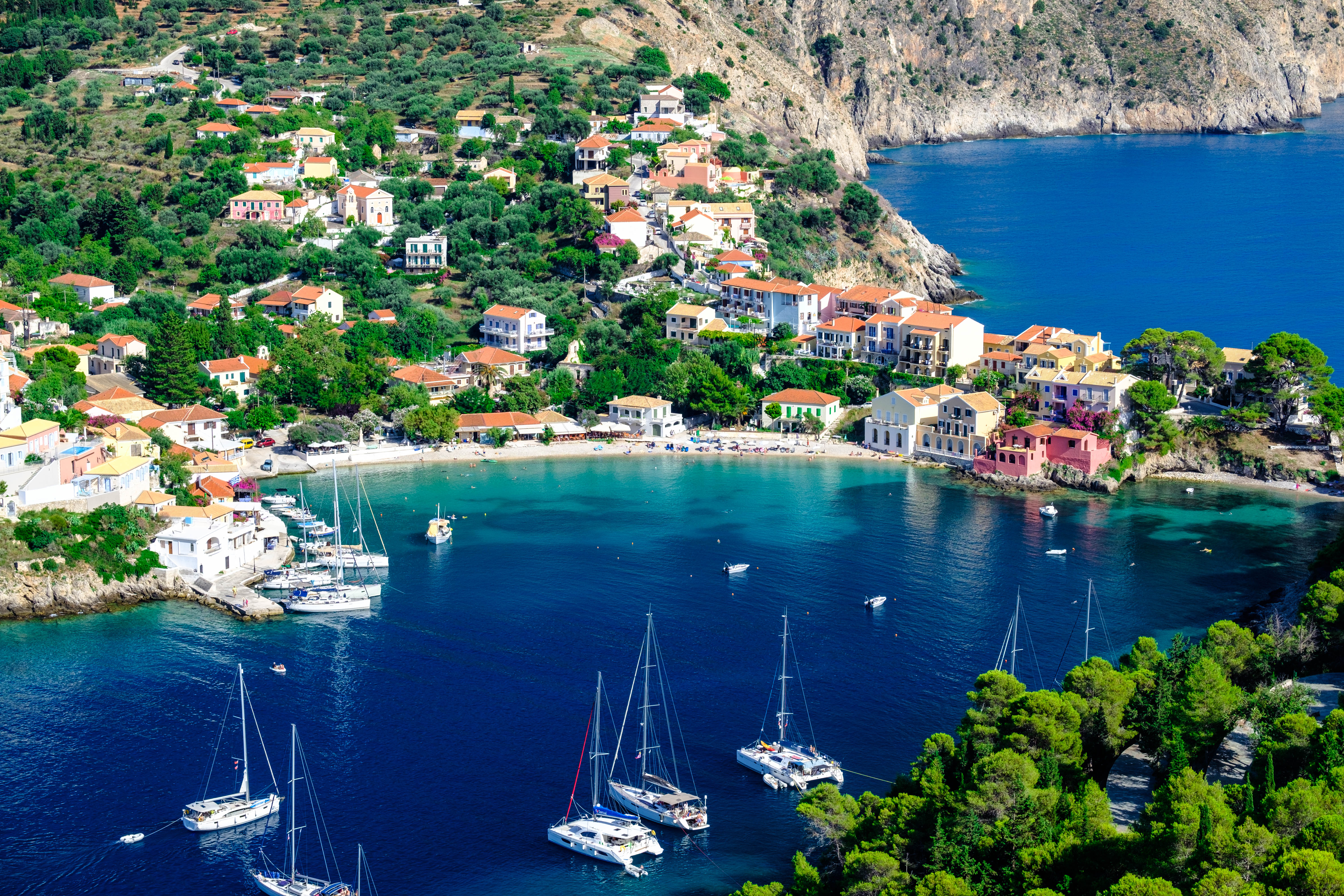
    The beautiful village of Assos
    A view of Assos from the kastro above

    The road from Argostoli to the northern peninsula is truly gorgeous, climaxing at the beach of Myrtos and the nice villages of Assos and Fiskardho. What about the seascape? Well Kefalonia has probably more than one hundred beaches and coves to choose from, ranging from the Seychelles-like cove of Pessada, through beautiful and serene Porto Atheras to the white pebbles beaches of Myrtos, Petani and red sand beach of Xi just to name a few.

    The cove of Pessada
    The red sand beach of Xi
    The famous west coast beach of Petanì
    Aghios Thomas with the bulk of Mount Enos as a backdrop
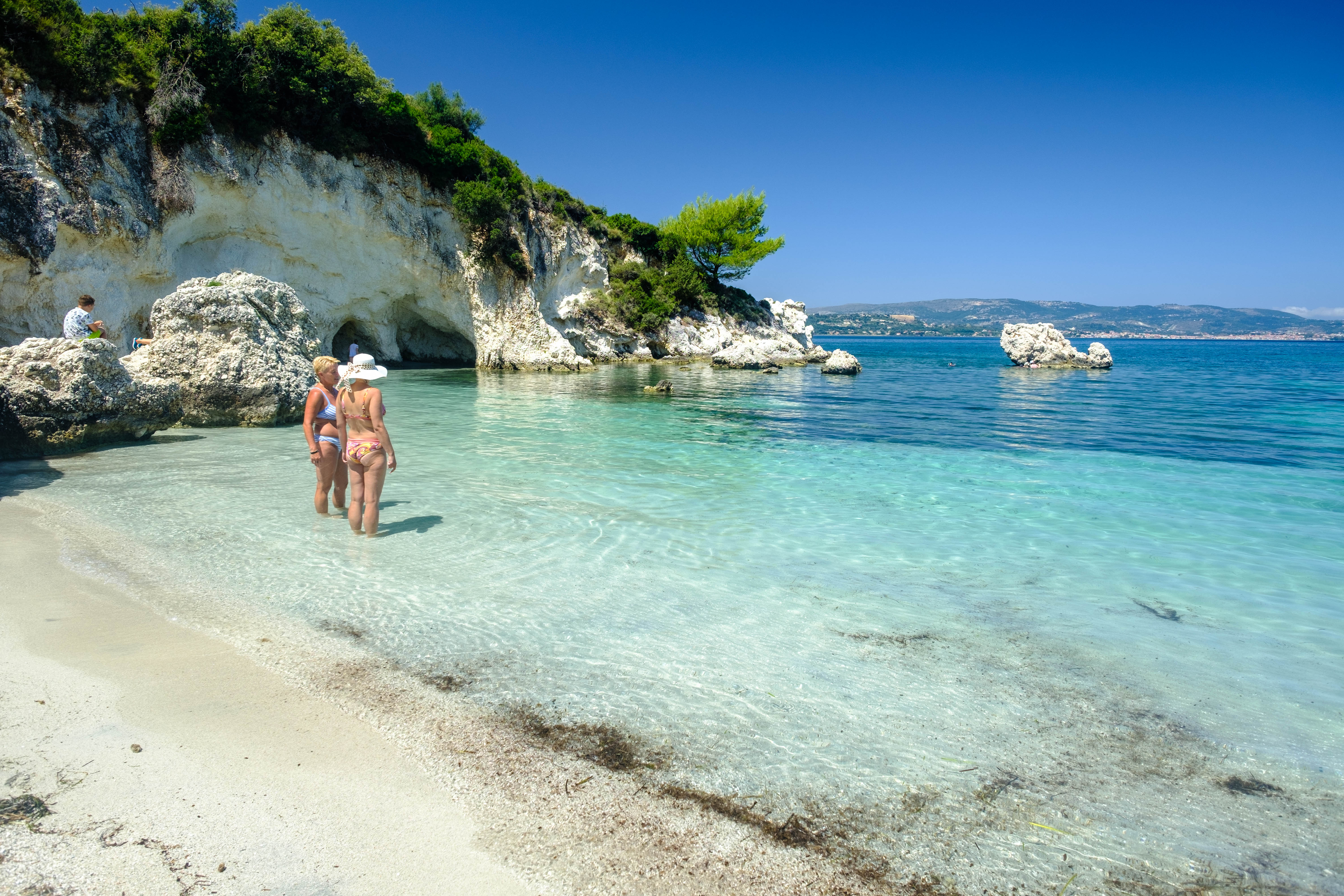
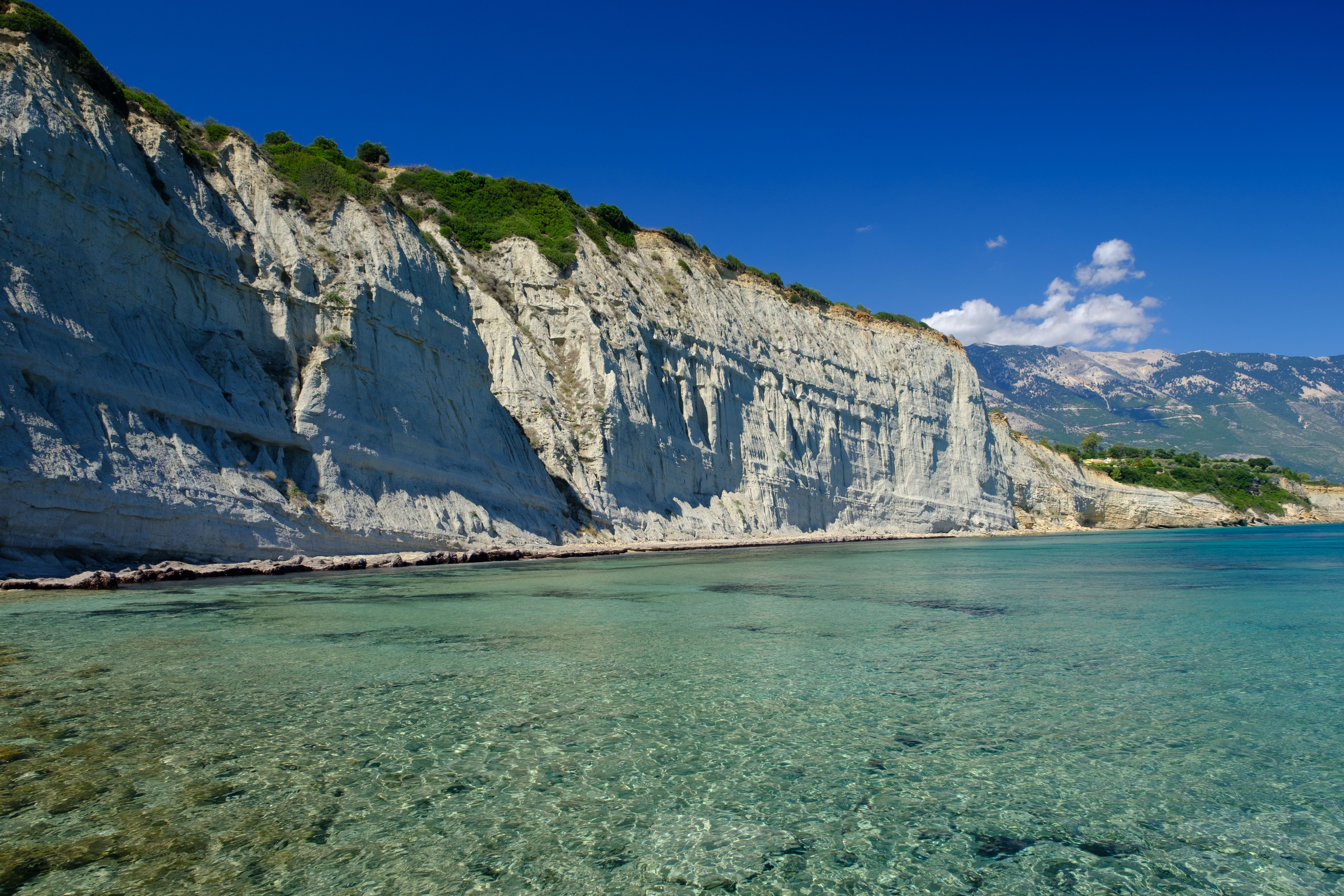
    The white cliff and pristine waters at Spartia

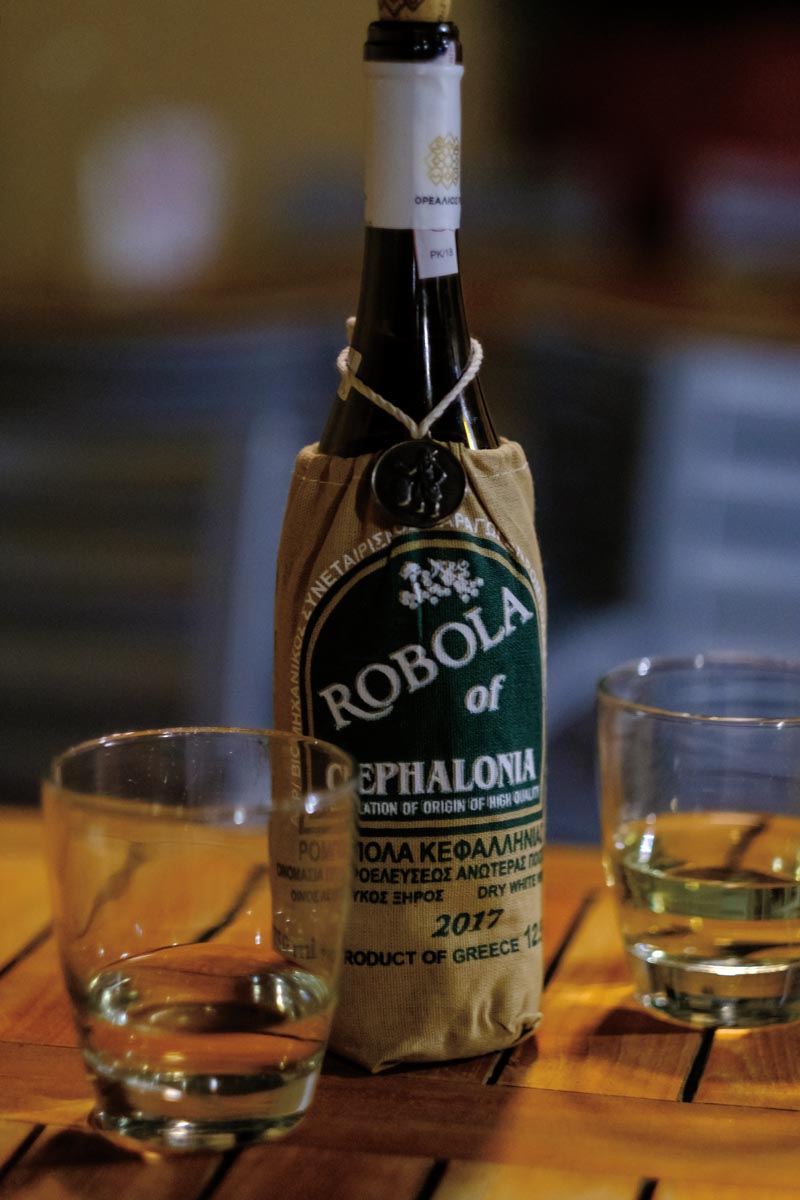
    If you tired of sun and sand you could visit one of the few wineries in the center of the island which produce Robola, a dry white wine, whose grapes thrive only in the island of Kefalonia.

    Robola wine

    And last but not least, there is the little blue lakelet in the cave of Melissani, now a big tourist attraction; what is curious, however, is that this lakelet, which is brackish, communicates with the sea near Sami and, also by an underground channel with the gulf of Argostoli, eight miles away, on the other side of the island.

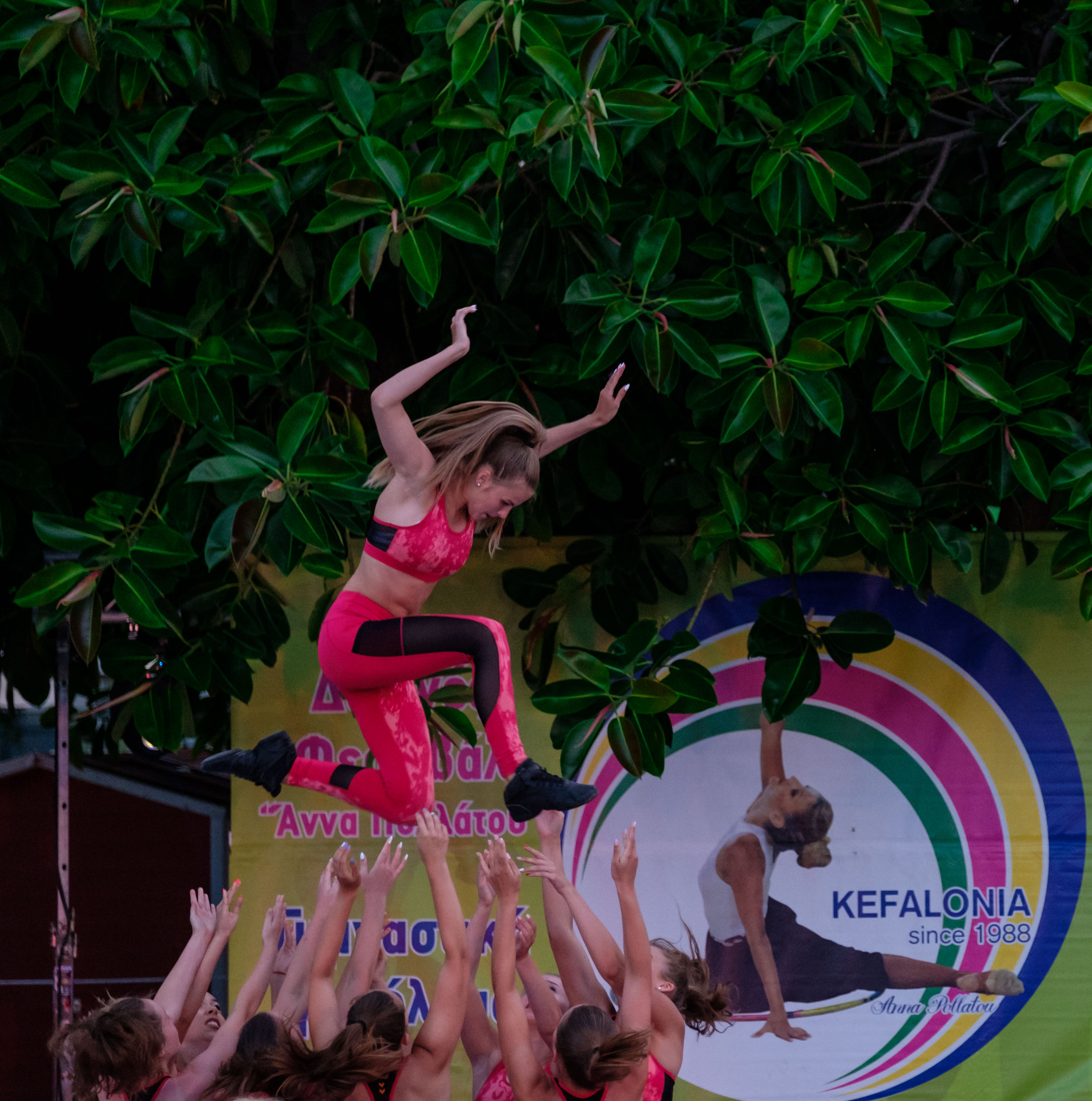
    Performers from Lithuania in Lixouri
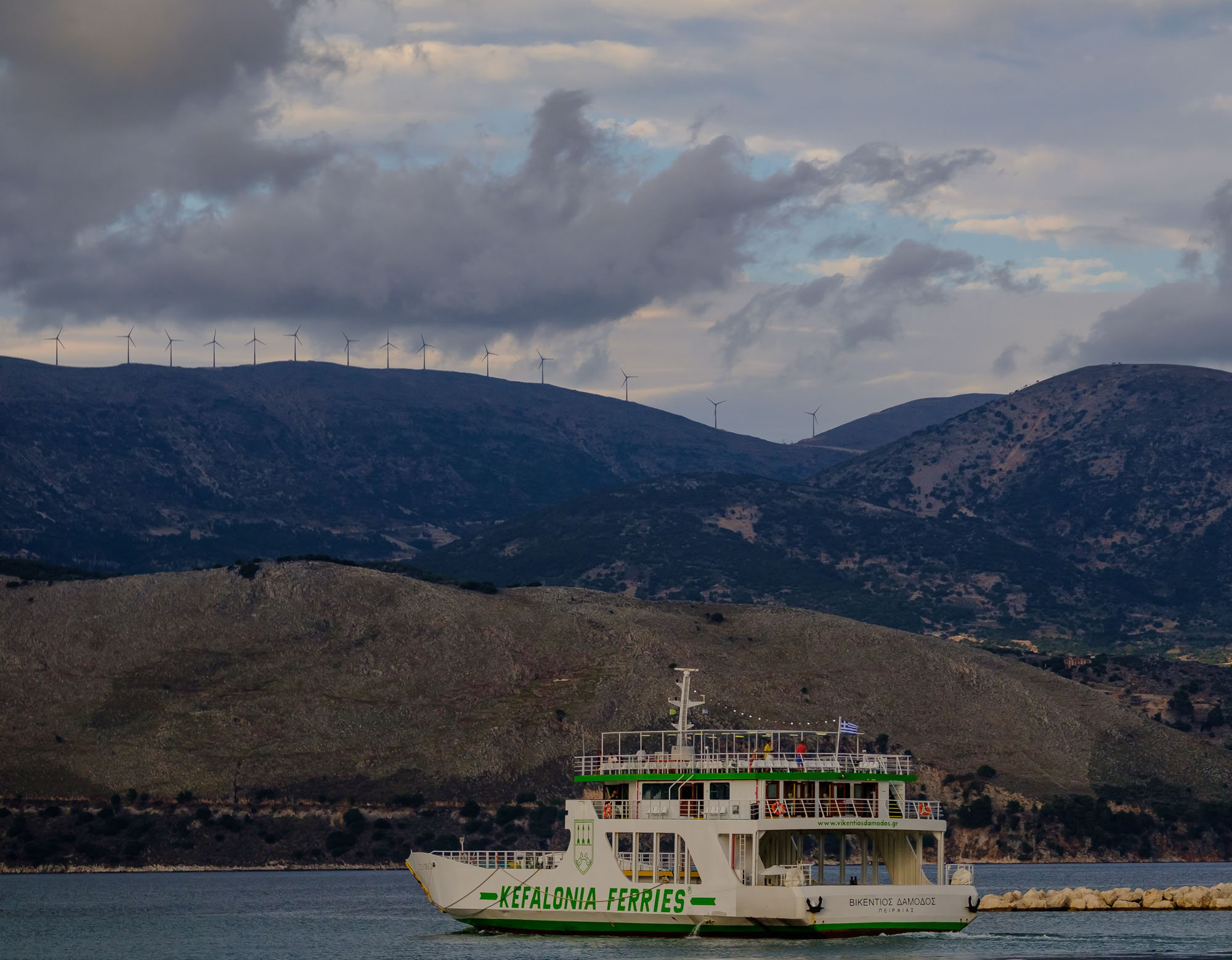
    Ferry leaving at dusk to Argostoli, Lixouri

    In the end Kefalonia delivered far more that I was expecting, and I hope that you can also enjoy one of the more rewarding and pristine island of Greece.